More time outdoors can lower the chance that a child develops myopia, or nearsightedness. It is a helpful habit, not a guarantee. Evidence for slowing myopia after it starts is less clear.
This guide explains that difference and how to make outdoor time part of your family's week.
The Science of Sunlight: How Outdoor Time Protects Vision
Outdoor light is usually much brighter than indoor light. Researchers think light-related signals in the retina may help regulate eye growth. The retina is the layer at the back of the eye that senses light.
One proposed pathway involves dopamine, a chemical messenger. The biology is still being studied. It is too simple to say sunlight flips a switch that stops all eye growth.
Do not look at the sun. Use shade, hats and suitable sunglasses. Safe outdoor time does not require unprotected sun exposure.
What the Research Says: Evidence from Around the World
Studies in several countries link more time outdoors with fewer new cases of myopia in children. Some studies give children more outdoor time at school. Others watch the habits children already have.
Research gives stronger support for helping keep myopia from starting. There is less support for slowing myopia that has already started. These are two different goals. Ask what a study measured before using its result to plan your child's care. IMI guidance on myopia care.
How Much Outdoor Time Should You Aim For?
About two hours a day is a common goal to discuss with your eye doctor. It can be split into shorter periods. It does not have to mean organized sport.
A target is not a treatment dose that guarantees prevention. Plan around weather, air quality, safety and your child's needs. Keep regular eye checks.
It’s Not Just Screen Time, It’s “Indoor Time”
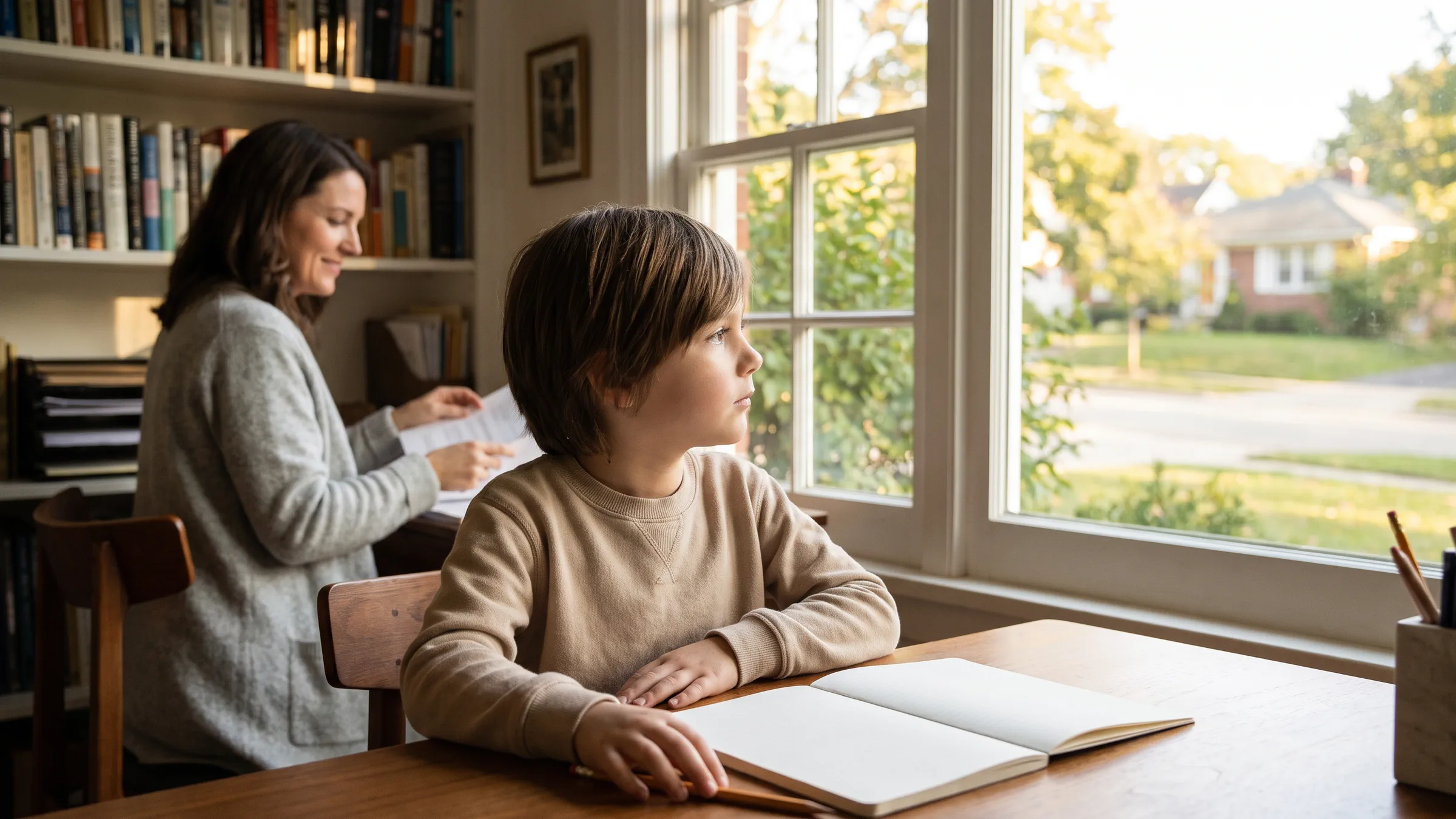
Screen use can crowd out outdoor play, sleep and other activities. Books and homework also count as close work. Review the full day rather than blaming one device.
Use breaks during long close tasks. If myopia is already present, do not rely on outdoor time alone to stop the prescription changing.
Environmental Factors and Myopia Risk
| Factor | What families can do |
|---|---|
| Outdoor time | Build in safe outdoor play and walks. |
| Close work | Take regular distance breaks and avoid very close viewing. |
| Lighting | Use enough light for comfortable reading; indoor light is not a proven substitute for outdoor time. |
| Family history | Tell the eye doctor if close relatives have myopia. |
For close work, sleepSEE recommends 30 minutes on the task, then a 3–5-minute break looking at least 20 feet away. Return to the task and repeat. This habit does not replace care.
Getting Your “Light Dose” in Fayetteville and Cumberland County
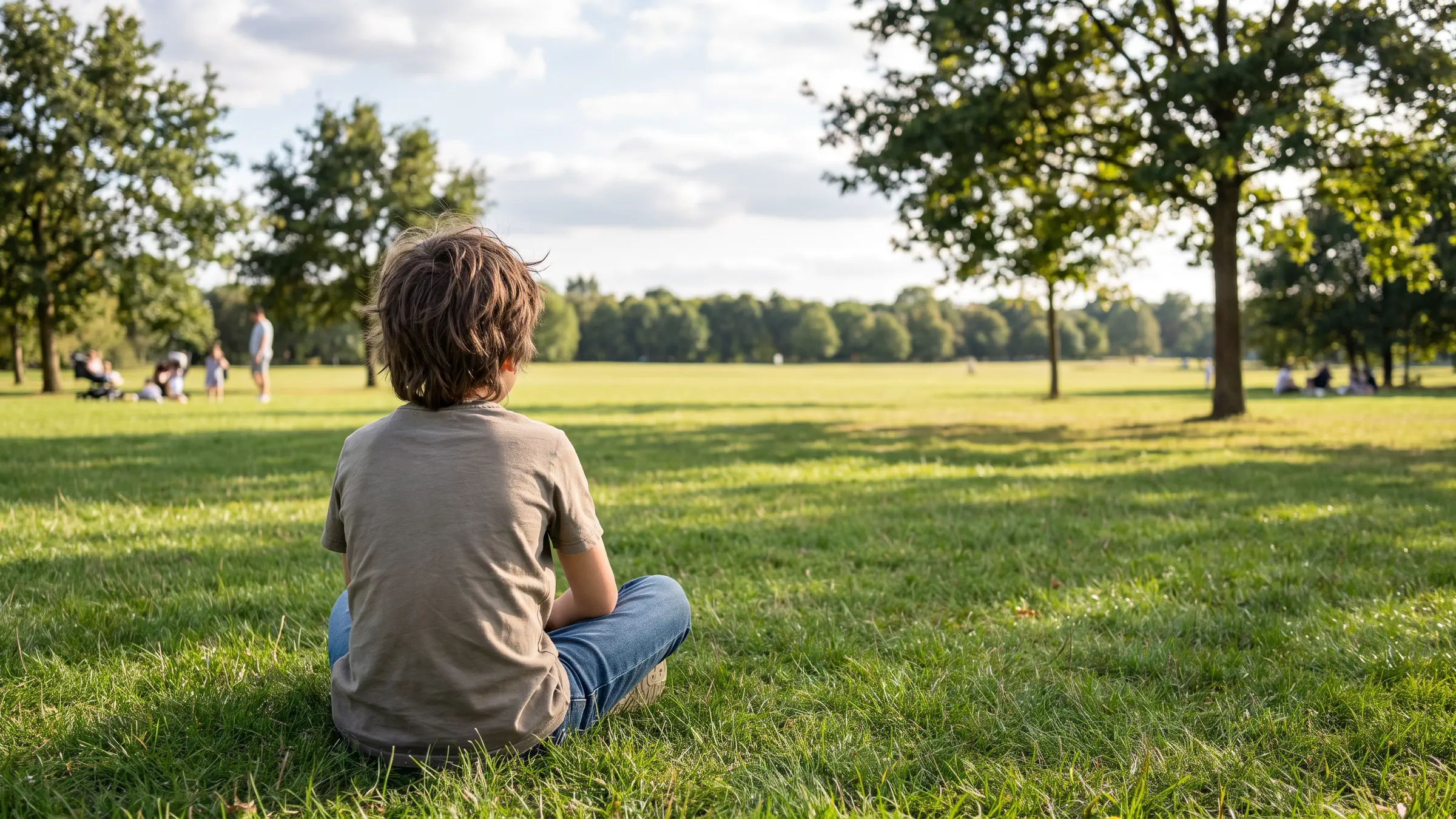
Try a walk, an outdoor lunch or time at a local park. Fayetteville families may enjoy the Cape Fear River Trail, Arnette Park or other nearby spaces. Check current access and conditions before a visit.
Small changes can make the routine easier. Choose something your child likes and build it into the day.
Start with time your family already has. A walk after school, play in the yard or a weekend park visit can make outdoor time easier to keep. Write down what fits on school days and what fits on weekends. It need not be a new paid sport.
Plan for heat, shade and weather. Use sun protection and never look at the sun. Outdoor time means being outside, not seeking the brightest glare. On days when outdoor play is hard, keep the eye-care plan and try again when conditions allow.
What If your child Already Has Myopia?
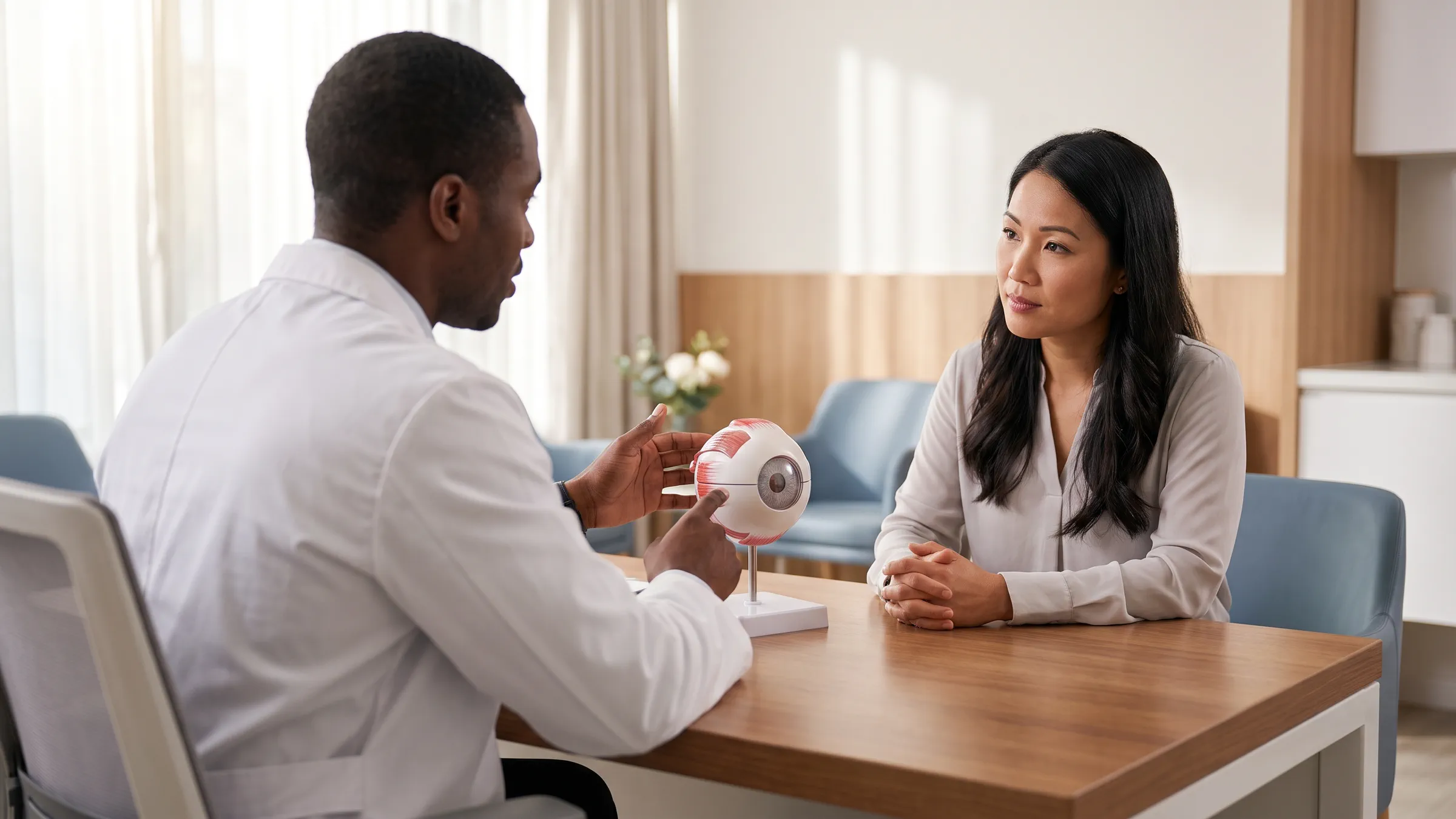
Arrange an eye exam to review the prescription and eye growth. Ask whether myopia management is needed. Options may include special glasses, contacts, Ortho-K or prescribed drops.
sleepSEE uses Ortho-K lenses during sleep. The goals are clear sight in the day and help to slow myopia in children. Results vary. Learn how it works, including fitting and follow-up.
Ask for written fees and check your benefits. Specialty myopia care may not be covered by a standard vision plan. HSA/FSA eligibility depends on your plan.
Studies can ask different questions. One may count how many children become myopic. Another may measure eye growth in children who already have myopia. A benefit in the first group does not prove the same size benefit in the second. Ask which result a headline describes before using it to choose care.
Frequently Asked Questions
Can outdoor time cure myopia?
No. It can help lower the chance of myopia starting, but does not undo an existing prescription.
Should we stop treatment if we get outside more?
No. Discuss changes with your eye doctor. Keep prescribed correction and follow-up.
A Brighter Future for Your Child's Vision
Pair healthy habits with measured eye care. If the prescription is changing, outdoor advice should not delay an exam.
Dr. James Singletary, OD, FIAOMC
Dr. James Singletary is a licensed eye doctor. His main field is Ortho-K. He helps people see clearly without surgery. He also cares for children to help slow myopia, or nearsightedness. He created the sleepSEE Ortho-K program.
Medical Disclaimer
This article helps you learn about eye care. It is not personal medical advice, a diagnosis or a treatment plan. Ask a qualified eye doctor about your eyes and care. Do not use this page in place of that advice.