As an eye doctor here in Fayetteville for over two decades, I’ve seen countless kids and parents navigate the challenges of our notorious North Carolina allergy seasons. I remember one young patient, a soccer enthusiast from a family stationed at Fort Liberty, who was on the verge of giving up his dream of playing. Every spring, the thick yellow haze of pine pollen would descend, turning his daytime contact lenses into tiny, irritating sponges. His eyes were constantly red, itchy, and watery. He couldn’t see the ball clearly, and the frustration was immense. His story is one I’ve heard time and again, and it’s what drives my passion for finding better solutions. That solution, for him and so many others, has been sleepSEE® Ortho-K.
If you’re a parent of a child with glasses or contacts, and the mere thought of pollen season makes you cringe, this is for you. We’re going to explore why traditional daytime contacts can be a nightmare for allergy sufferers and how overnight vision correction with Ortho-K can be a game-changer for your child’s vision and comfort.
Table of Contents
- Fayetteville’s Allergy Gauntlet: More Than Just a Sneeze
- Daytime Contacts: An Unwitting Trap for Allergens
- sleepSEE® Ortho-K: The Overnight Advantage for Allergy Sufferers
- Myopia Control That Doesn’t Pause for Pollen
- Smart Strategies for Managing Allergies with Ortho-K
- Your Child’s Health Team: Eye Doctor & Allergist Collaboration
- Frequently Asked Questions (FAQs)
Fayetteville’s Allergy Gauntlet: More Than Just a Sneeze
Here in Cumberland County, we’re no strangers to allergies. From the explosion of tree pollen in February and March to the persistent ragweed in the fall, it often feels like a year-round battle. Our beautiful landscape, from the Cape Fear River to the Sandhills, is rich with oak, hickory, and, of course, the infamous North Carolina pine. For our kids, this means outdoor activities—whether it’s a school field trip, sports practice, or just playing in the backyard—can become a miserable experience.
For a child who wears daytime contact lenses, this environmental challenge is magnified. Their lenses can act like tiny nets, catching and holding allergens directly against the surface of their eyes all day long. The result isn’t just a case of the sniffles; it’s a direct impact on their vision and quality of life.
Daytime Contacts: An Unwitting Trap for Allergens
Have you ever wondered why your child’s eyes seem so much more irritated during allergy season when they wear their contacts? It’s not their imagination. Soft daytime contact lenses are made of porous, water-loving materials. While this makes them comfortable initially, it also makes them perfect little traps for airborne allergens like pollen, dust, and pet dander.
Imagine wearing a shirt that has pollen dusted all over it. Now, imagine you can’t take that shirt off for 10-12 hours. That’s essentially what happens when a child wears daytime contacts during peak allergy season. The allergens get trapped between the lens and the cornea, leading to a host of problems:
- Intense Itching and Redness: The body’s allergic response is concentrated right on the eye.
- Watery, Uncomfortable Eyes: The eyes try to flush out the irritants, but the lens is in the way.
- Blurry or Fluctuating Vision: A film of allergens and inflammatory cells can build up on the lens surface.
- Increased Risk of Infection: Constant rubbing of itchy eyes can introduce bacteria and lead to more serious issues.
This often forces a difficult choice on parents and kids: suffer through the discomfort or switch back to glasses, which can feel like a step backward, especially for active children. But what if there was a third, better option?
Allergy Impact on Different Vision Correction Methods
| Vision Correction Method | Allergen Exposure & Trapping | Comfort During Allergy Season | Freedom for Activities |
|---|---|---|---|
| Eyeglasses | Low. Allergens can land on lenses but are not held against the eye. | High. Glasses can act as a partial shield from wind and pollen. | Moderate. Can be cumbersome for sports, swimming, and active play. |
| Daytime Soft Contacts | High. Lenses act like sponges, trapping pollen and dust against the eye all day. | Low. Often causes significant itching, redness, and irritation. | High (when comfortable). Provides clear peripheral vision but is problematic for allergy sufferers. |
| sleepSEE® Ortho-K | Minimal. No lenses are worn during the day when allergen counts are highest. | Very High. Eyes are free from lenses, reducing irritation and allowing natural tear flow. | Very High. Total freedom for all activities with clear, natural vision. |
sleepSEE® Ortho-K: The Overnight Advantage for Allergy Sufferers
This is where Ortho-K changes the entire conversation. Orthokeratology, which we call sleepSEE®, is a non-surgical, reversible process that uses specially designed therapeutic lenses to gently reshape the cornea—the front surface of the eye—overnight. Your child puts the lenses in right before bed, and while they sleep, their vision is corrected. In the morning, they take the lenses out and enjoy clear, crisp vision all day long, with no need for glasses or daytime contacts!
For the child with allergies, this is a revolutionary advantage. By eliminating the need for daytime lens wear, we eliminate the primary mechanism by which allergens get trapped against the eye. Their eyes are free and comfortable during the hours they are awake, active, and most exposed to our Fayetteville environment. They can face a high-pollen day with confidence, knowing their vision won’t be compromised by itchy, irritated eyes.

This chart illustrates how lens-free days with Ortho-K significantly reduce the burden of allergy symptoms compared to daytime contact lenses, which can amplify irritation.
This freedom is transformative. Kids can rub their eyes if they get an itch without the fear of dislodging or damaging a contact lens. They can swim at the local pool, play soccer without worrying about dust getting under their lenses, and simply enjoy being a kid, even when the pollen count is high. It gives them the best of both worlds: the clear, unobstructed vision of contacts and the comfort of being lens-free.

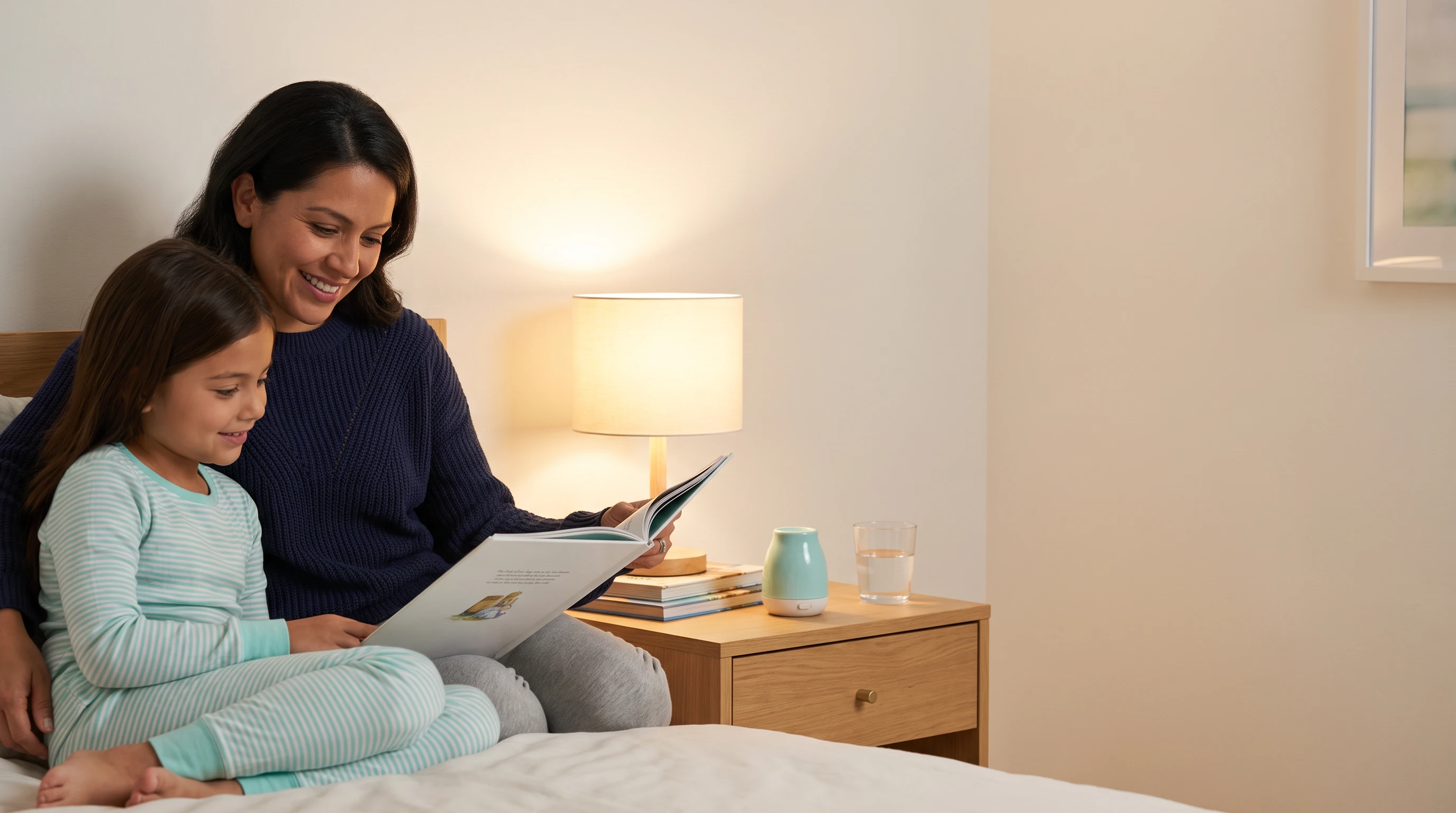
On tough allergy days, simple comforts like a cool compress can provide relief. With sleepSEE®, kids are free from irritating daytime lenses, making allergy management much simpler.
Myopia Control That Doesn’t Pause for Pollen
Beyond the immediate allergy benefits, it’s crucial to remember that sleepSEE® is one of the most effective methods for myopia control. Myopia, or nearsightedness, is more than just blurry distance vision; it’s a condition where the eye grows too long, which can increase the risk of serious eye diseases later in life. Our goal with myopia control is to slow down that progression.
Consistency is key. With daytime contacts, a bad allergy week might mean a child has to stop wearing their lenses, interrupting their myopia control therapy. With sleepSEE®, the treatment happens safely at home while they sleep. This means their therapy continues, night after night, without being derailed by the pollen count. It ensures we are consistently doing everything we can to protect their long-term eye health, a mission supported by extensive research from organizations like the American Academy of Ophthalmology (AAO) and the National Institutes of Health (NIH).
Smart Strategies for Managing Allergies with Ortho-K
While Ortho-K provides a massive advantage, it’s still important to be smart during allergy season. The lenses are only worn in the clean, controlled environment of your home, but proper hygiene is paramount. Here are the strategies I recommend to my sleepSEE® families:
- Impeccable Hygiene: Always wash hands thoroughly before handling lenses. This is the number one rule, allergy season or not!
- Use Preservative-Free Solutions: I often recommend hydrogen peroxide-based cleaning systems and preservative-free saline solutions to minimize any potential chemical irritation.
- Keep the Bedroom a Clean Zone: Using a HEPA air filter in your child’s bedroom can significantly reduce overnight exposure to airborne allergens.
- Talk to Your Doctor About Eye Drops: If your child needs allergy eye drops, we can create a plan. Most drops can be used during the day, long before the lenses are inserted at night. Never instill drops while the lenses are in the eye unless specifically instructed.
- Know When to Skip a Night: If your child’s eyes are severely swollen, red, or have discharge, it’s best to skip a night of wear and give their eyes a rest. They can wear their backup glasses the next day. This is rare, but it’s important to prioritize eye health.

A proactive approach combining excellent hygiene with environmental controls allows children to continue their sleepSEE® therapy comfortably, even during peak allergy season.
Your Child’s Health Team: Eye Doctor & Allergist Collaboration
For children with significant allergies, the best outcomes happen when there is open communication between your eye doctor and your allergist. As your sleepSEE® provider, I want to be aware of the treatments your child is receiving from their allergist. This allows us to create a holistic plan that addresses both their vision needs and their allergy symptoms, ensuring both treatments can work together effectively.
Ready to see if your child is a candidate for a life free from daytime glasses and contacts? Take our Candidacy Quiz [blocked] to get started.
At our practice, sleepSEE® myopia control is a specialty service not covered by insurance. Flexible payment options and HSA/FSA funds are accepted. We are committed to making this life-changing technology accessible for families in the Fayetteville community.
Frequently Asked Questions (FAQs)
### 1. Is Ortho-K safe for kids with allergies?
Yes, it is often safer and much more comfortable than daytime contacts. Because the lenses are worn at night in a clean environment, the daytime exposure to pollen and other allergens is a non-issue. As with any contact lens wear, proper hygiene is essential to ensure safety.
### 2. What happens if my child has to skip a night of wear due to severe allergies?
It’s not a problem! This is the beauty of a reversible system. If your child’s eyes are too irritated to wear their lenses, they simply skip a night. Their vision may be slightly blurry the next day, but they can wear their backup glasses. They can typically resume wear the following night once the irritation has subsided.
### 3. Can my child still use their prescription allergy eye drops?
In most cases, yes. We will work with you and your allergist to create a schedule. Typically, allergy drops are used during the day, and we advise waiting at least 15-20 minutes before inserting the sleepSEE® lenses at night. It’s important to use only the drops recommended by your doctors.
### 4. Does sleeping with the lenses in feel irritating?
Ortho-K lenses are made from a highly oxygen-permeable material designed for overnight wear. While any new lens takes a few nights to get used to, most children adapt very quickly and do not notice the lenses while they are sleeping.
### 5. Where can I learn more about the process?
We have a wealth of information on our website! You can explore our blog [blocked] for more articles, see how it works [blocked] in detail, or find a provider [blocked] near you to schedule a consultation.
Last reviewed: February 2026
Free Download: Daily Habits for Healthy Eyes
The complete checklist for protecting your vision — backed by optometric science.
- Daily habits that support healthy vision
- Screen time guidelines by age group
- Outdoor activity recommendations
- Nutrition tips for eye health
Daily Habits for Healthy Eyes
Lifestyle Guide — Free Checklist
sleepSEE Clinical Team
The sleepSEE Clinical Team is a group of licensed eye care professionals dedicated to evidence-based education on myopia control, orthokeratology, and nonsurgical vision correction.