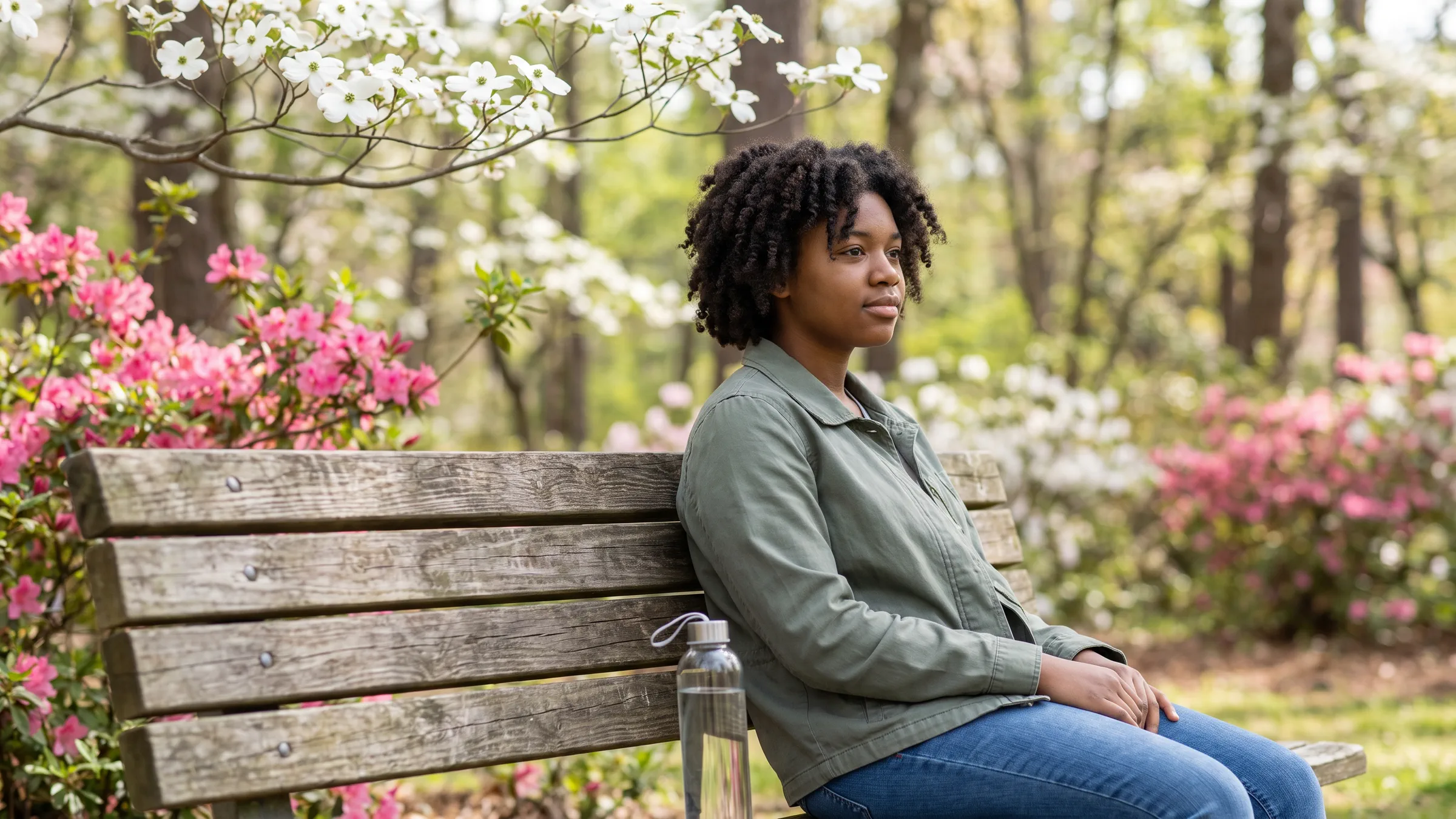
Each season can bring new demands for your eyes. Pollen, heat, dry air and travel may change how your eyes feel or how you care for your lenses. A steady routine helps you use Ortho-K as prescribed through the year.
Ortho-K lenses are worn during sleep and removed in the morning. The goal is clear daytime vision without daytime glasses or contacts. They do not treat allergies or protect eyes from sun, water or injury. Learn more about how sleepSEE works.
Spring: Conquering Pollen Season
Itchy, watery or red eyes need attention. Tell your eye doctor if symptoms start when pollen is high. The doctor can check whether allergies, dry eye or another problem is the cause.
Keep hands clean and dry when handling lenses. Avoid rubbing your eyes. Ask which eye drops suit your lenses and when to use them. Some symptoms may mean taking a break from wear.
Having no lenses on the eyes during the day may appeal to people who struggle with daytime contacts. It does not mean overnight lenses are safe during an active eye problem.
Summer: Staying Cool and Keeping Lenses Clean
Ortho-K lenses come out before daytime swimming. Keep them and their case away from pool, lake, shower and tap water. Wear swim goggles; clear vision does not make pool water harmless.
Protect eyes from the sun with suitable sunglasses. Ortho-K does not replace UV protection. Pack enough prescribed lens-care supplies for trips. Do not use water when supplies run out.
Heat and changing schedules can disrupt a routine. Store care products as their labels direct, and plan for clean handwashing and lens storage away from home.
Fall: Adapting to Cooler, Drier Air
If your eyes burn, feel gritty or blur on and off, tell your doctor. Dryness can have more than one cause. Do not change your wear schedule or add drops without checking the plan.
School and sports schedules may also change. Keep follow-up visits so the doctor can check the eye surface, lens fit and daytime vision.
Winter: Combating Indoor Dryness
Indoor heat and air blowing toward your face may make dry-eye symptoms harder to manage. Ask your doctor what changes may help. Do not put gels or ointments under Ortho-K lenses unless your doctor has told you to use that product that way.
Shorter days do not change the need for clean hands, fresh care solution and the prescribed wear schedule. Keep a backup vision plan for illness or missed wear.
Ortho-K vs. Daytime Contacts: A Seasonal Comparison
| Season | A useful check for Ortho-K wearers |
|---|---|
| Spring | Report allergy symptoms and check eye-drop use with the doctor. |
| Summer | Keep lenses away from water and plan care supplies for travel. |
| Fall | Review comfort and wear routines as school and sports change. |
| Winter | Report dryness and keep follow-up visits despite busy schedules. |
Ortho-K avoids wearing contact lenses during the day. It still requires overnight lens wear, careful cleaning and eye-health checks. Glasses or other lens types may suit some people better.
When to call your eye doctor
Pain, redness, light sensitivity or reduced vision needs prompt care. Remove any lenses and leave them out while you seek advice. Do not wait for a change in season or the next routine visit. FDA: contact lens risks
The shape change from Ortho-K is temporary, so continued wear is needed to keep its effect. That does not mean complications are always temporary. Follow your doctor's plan for safe wear and for times when lenses must stay out.
What should change in our plan as the season changes?
Keep the lens-care steps the same unless the eye doctor changes them. What may change is the setting: pollen outside, dry air from a vent, or a trip with swimming. Note which setting brings symptoms and discuss it at the visit. Do not assume every red eye is just seasonal allergy.
Before a busy travel or allergy season, check supplies and the office contact number. Ask which drops are suitable with your lens plan. Do not put a gel or ointment under a lens unless your doctor has specifically directed that use. NEI: dry-eye care.
My Child’s Vision Is Changing
Use this parent guide to ask about care and track changes in your child’s eyes.
- How the sleepSEE Myopia Control system fits together
- Six questions to bring to the eye doctor
- A simple routine for breaks from close-up work
- A printable visit record

My Child’s Vision Is Changing
Parent Guide: 9-page PDF
Dr. James Singletary, OD, FIAOMC
Dr. James Singletary is a licensed eye doctor. His main field is Ortho-K. He helps people see clearly without surgery. He also cares for children to help slow myopia, or nearsightedness. He created the sleepSEE Ortho-K program.
Medical Disclaimer
This article helps you learn about eye care. It is not personal medical advice, a diagnosis or a treatment plan. Ask a qualified eye doctor about your eyes and care. Do not use this page in place of that advice.