Squinting, moving closer to the TV or needing stronger glasses can be reasons to check a child's vision. These signs do not prove myopia on their own. An eye exam can find the cause.
Myopia means nearsightedness. In children, it can increase as the eyes grow. If the prescription is changing, ask whether your child needs a plan to slow myopia as well as new glasses.
1. Squinting to See Distant Objects
A child may squint at the board, a road sign or a friend across a field. Squinting can briefly make a blurry image look sharper. If it happens often, arrange an eye exam.
With myopia, light focuses in front of the retina instead of on it. The retina is the light-sensing layer at the back of the eye. The result is blurry distance vision.
Do not wait for a child to describe the blur well. Children may assume that everyone sees as they do.
2. Sitting Too Close to the TV or Holding Devices Close
Moving closer may help a child see a picture or text. It can be a clue to a vision problem, but it can also be a habit. Note when it happens and tell the doctor.
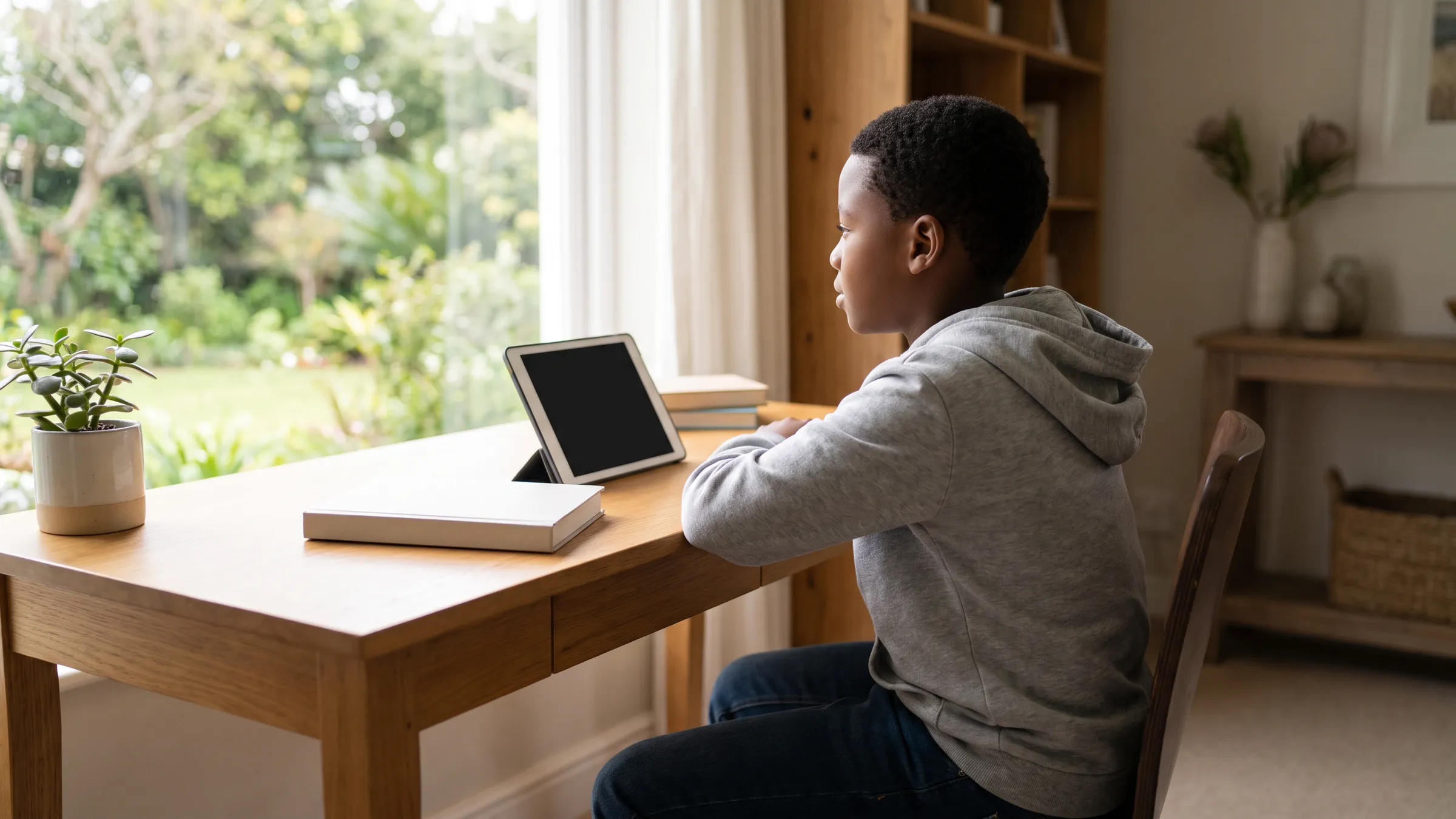
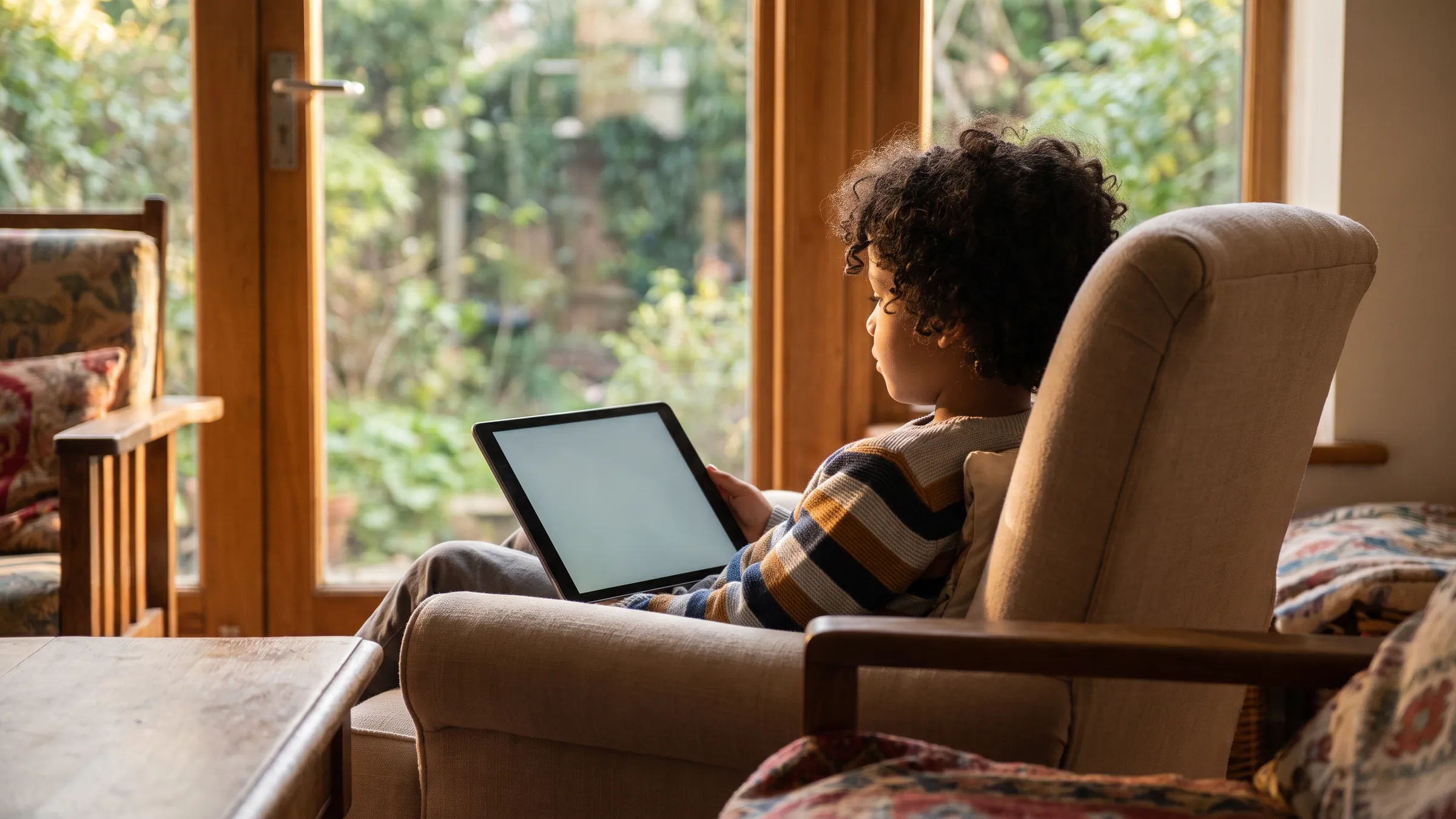
Ask about a comfortable reading distance, breaks and outdoor time. Do not blame all vision changes on a device or assume that moving a screen fixes myopia.
3. Frequent Headaches or Eye Strain
Headaches, tired eyes or blur during schoolwork deserve attention. They can have many causes, including a vision problem. An eye exam checks whether the prescription or focusing needs play a part.
Tell the doctor when symptoms start, how often they happen and what helps. Ongoing symptoms may also need care from your child's other health providers.
4. A Sudden Drop in Grades
Trouble seeing classwork can make learning harder. But a change in grades does not prove a vision problem, and glasses or Ortho-K cannot promise better grades.
Ask the teacher what they notice. Can your child see the board? Do they avoid reading or move close to the page? Share these details at the exam while also looking into other school needs.
5. A Family History of Nearsightedness
Children with nearsighted parents are more likely to get myopia. Family history raises risk. It cannot tell us exactly what lens power one child will need later.
Tell the eye doctor about close relatives with myopia and any eye disease. This helps guide checks and care. NEI: myopia.
What to Do if You Notice These Signs
Book a full eye exam. A school or office screening can flag a concern, but it does not replace that exam.
| Bring to the visit | Why it helps |
|---|---|
| Old prescriptions | Shows change over time |
| Screening results | Shows what prompted the concern |
| Notes about symptoms | Helps link trouble to daily tasks |
| Family history | Adds context to the risk assessment |
Ask how the doctor will track changes and when to return. If your child has myopia, ask about two goals: clear sight today and help to slow myopia over time. Learn about sleepSEE for children.
Write down what you or the teacher saw, when it began and whether it happens with glasses on. For example: “She moves closer to the board even with her new glasses.” Bring the glasses and dated prescriptions. That is more useful than trying to diagnose myopia from one behavior.
After the exam, ask how to share the plan with school and when to return. A normal screening does not explain ongoing symptoms. A change in grades can have many causes; an eye exam addresses vision, not every possible learning concern.
The Childhood Myopia Epidemic is Real, and It’s Here in Fayetteville
Myopia affects families in many places. Your child's exam and eye changes over time help guide care. A forecast for a large group cannot tell us your child's future. Higher myopia can raise later eye health risks. Keep eye checks even when glasses clear the blur.
Frequently Asked Questions
Does a child need symptoms to have myopia?
No. Some children do not notice or report blur. Keep routine eye checks on the schedule your provider advises.
Does every stronger prescription mean Ortho-K is needed?
No. The doctor should explain the cause and compare suitable options. Age, measurements, eye health and family routines all matter.
Take Control of Your Child's Vision and Their Future
You do not need to diagnose the problem at home. Notice changes, keep records and ask for an eye exam. A clear plan can turn concern into useful next steps.
Dr. James Singletary, OD, FIAOMC
Dr. James Singletary is a licensed eye doctor. His main field is Ortho-K. He helps people see clearly without surgery. He also cares for children to help slow myopia, or nearsightedness. He created the sleepSEE Ortho-K program.
Medical Disclaimer
This article helps you learn about eye care. It is not personal medical advice, a diagnosis or a treatment plan. Ask a qualified eye doctor about your eyes and care. Do not use this page in place of that advice.