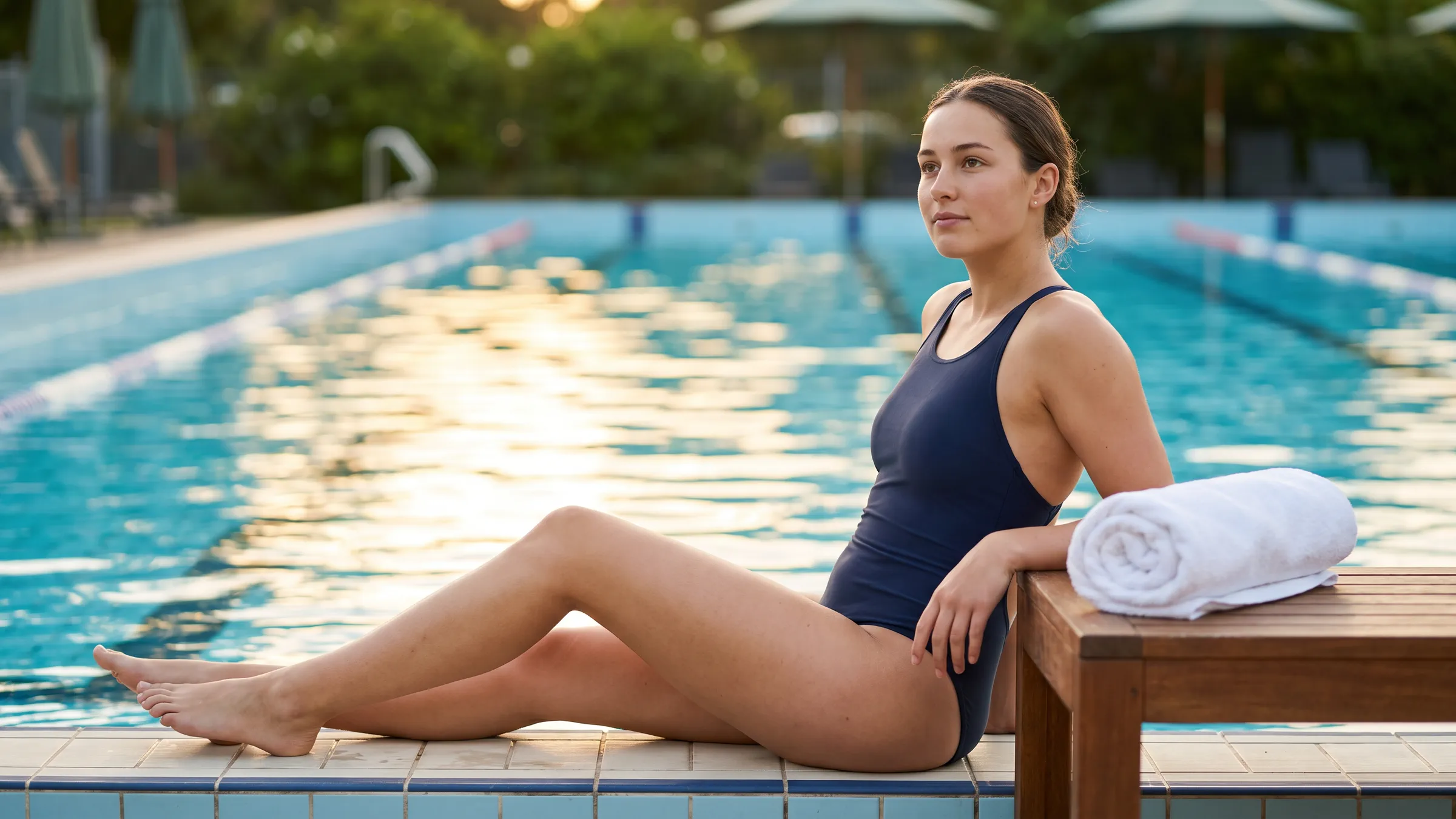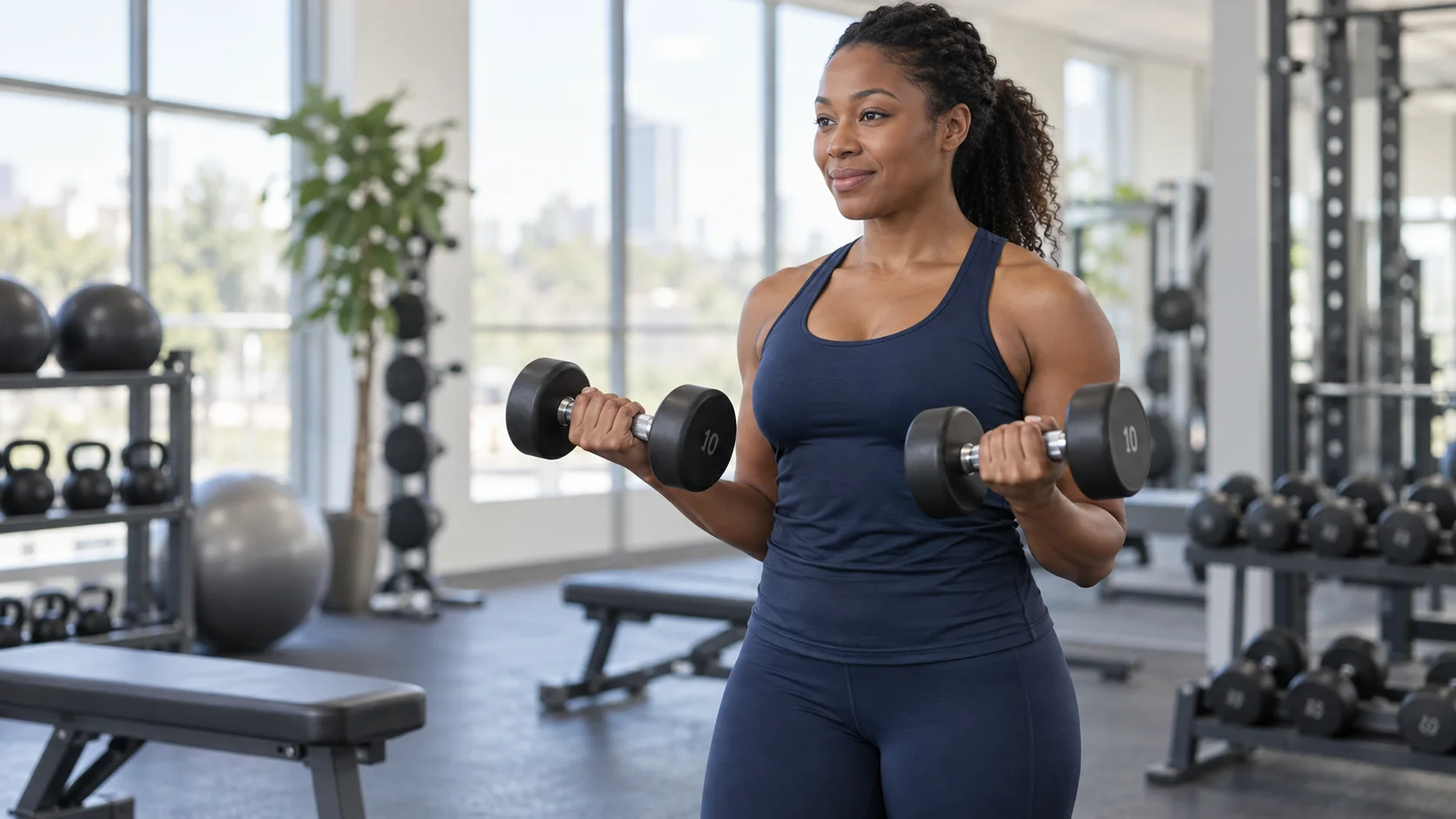
Your sport puts demands on your vision. Your vision plan should fit the way you train. Ortho-K, daytime contacts and prescription sports glasses can each have a place. The best choice depends on your eyes, your gear and the care routine you can keep.
With overnight sleepSEE Ortho-K, you sleep in fitted lenses and take them out when you wake up. If the treatment gives you good daytime vision, you can train without glasses or contacts. That means no daytime lens to shift or fall out and no prescription frames to slip or fog. It does not mean better scores or freedom from eye injuries.
Three options. One goal: clear vision for your game.
- Overnight Ortho-KWear during sleep. Remove on waking.Plan for: steady overnight care.
- Daytime contactsWear on your eyes during play.Plan for: lens fit and daily care.
- Sports glassesWear prescription lenses in sports frames.Plan for: fit with your sports gear.
Every option still needs the protection your sport calls for.
Which vision option fits your sport?
Start with what gets in the way now. Do your glasses slip under your helmet? Do your contacts feel dry late in a match? Does vision blur when a lens moves? Or does your current setup work well?
The comparison below describes practical differences. It is not a safety rating or a study of sports performance. Here, “sports glasses” means fitted sports frames with suitable lenses, not ordinary daily glasses.
| What matters | Overnight Ortho-K | Daytime soft contacts | Prescription sports glasses |
|---|---|---|---|
| During play | No corrective lens on the eye once good daytime vision is established. | Contacts stay on the eyes during play. | Prescription lenses stay in the sports frames. |
| Frames and side view | No prescription frames to block part of the view or fit under gear. | No prescription frames; lens fit affects stable vision. | Frame shape and fit affect the view and comfort. |
| Lens movement | No daytime contact lens to shift or fall out. | A lens can shift or come out; good fitting matters. | No lens on the eye. Frames can move with sweat or impact. |
| Eye protection | Add the protection your sport requires. | Add the protection your sport requires. | Use sports-rated frames and lenses suited to the activity. |
| Swimming | Lenses are already out. Use ordinary goggles if daytime vision is clear. | Remove contacts before swimming. Prescription goggles are an option. | Use prescription swim goggles rather than ordinary glasses in the pool. |
| Routine | Overnight wear, morning removal, cleaning and follow-up. | Daily insertion and removal; replace or clean as prescribed. | Clean lenses, check fit and replace worn or damaged gear. |
| Main trade-off | Needs a steady overnight routine and close fitting checks. | A lens remains on the eye during training. | Frames remain part of your sports kit. |
Want help choosing for a child’s specific sport? Our parent guide to Ortho-K and sports covers the sports ranking, protection and family routines.
Why consider Ortho-K for competitive sport?
Less to adjust during play
Ortho-K moves lens wear to the night. For a suitable athlete, that can remove the need to stop and fix slipping glasses or a shifted daytime contact. There are no prescription frames to fog up. You may still wear nonprescription gear for impact, wind or sun protection.
Vision without prescription frames
Frames can block part of the view to the side. Ortho-K removes those prescription frames from the daytime setup. Soft contacts also avoid frames, so this benefit is not unique to Ortho-K. Neither option has been shown by the sources in this guide to improve reaction time or sporting results.
A fit for the whole training day
The effect of Ortho-K is temporary. Some people see well all day; others find that vision fades. Tell your doctor when you train, especially if you have evening games. Check vision at those times before relying on a new plan in competition. Do not expect guaranteed 20/20 vision. FDA: types of contact lenses
What if a contact lens rotates with astigmatism?
Astigmatism can blur vision because the eye does not focus light evenly. Many people use soft toric contact lenses, which have different powers in different directions. These lenses need to sit at the right angle.
If a toric lens turns out of place, sight may blur until it settles. How much blur you see depends on lens power and how far the lens turns. This may matter more if you need stronger lenses for astigmatism. Astigmatism is a focus problem linked to eye shape. Modern designs help keep the lens in place. Having astigmatism does not mean contacts will fail during sport. The fitting should check both clear sight and how the lens moves. Johnson & Johnson Vision: toric lens fitting · Toric lens design and rotation
With Ortho-K, there is no contact lens on the eye to rotate during a game. But Ortho-K is not the right answer for every astigmatism prescription. Your eye shape, prescription and lens fit decide what is possible. Sports glasses are another option that does not depend on a contact lens staying at the right angle. AOA: astigmatism
Bring a specific example to your visit: “My vision blurs when I look to the side during play, then clears after I blink.” That gives the doctor more to work with than simply asking for a stronger prescription.
What changes for swimming and contact sports?
Swimming: the lenses are already out
For an Ortho-K wearer, the morning routine includes taking the lenses out. If daytime vision is clear, the athlete can swim with ordinary goggles and no contacts on the eyes. The lenses are not worn in the pool.
Daytime contact wearers should take their lenses out before swimming. Prescription swim goggles are a useful alternative. Water can carry germs that cause serious eye infections. Keep all contact lenses and their cases away from water during cleaning and storage. CDC: contacts and water
Contact sports: clear vision still needs protection
In football, hockey, rugby and close-contact play, having no daytime contact lens means there is no lens to dislodge. It also removes prescription frames from beneath the gear. Those are useful differences, but they do not make the eye resistant to a ball, stick, finger or elbow.
Use the eye and face protection your sport requires. Sports frames use lenses made to resist breaking. They differ from everyday glasses. Contacts do not protect your eyes from a hit. If you see poorly in one eye, ask how to protect the eye that sees better. AAPOS: eye injury and safety
What does each option ask of you between games?
Ortho-K: keep the overnight routine
Ask the doctor how often and how long to wear the lenses, what to pack for travel and what to do after a missed night. Do not start a new lens plan just before a major event. Leave time for fitting checks and for the doctor to confirm that your daytime vision meets your needs.
Daytime contacts: plan for replacement and care
Follow the wear and replacement schedule for your exact lenses. Daily disposable lenses are discarded after use; reusable lenses need the prescribed cleaning routine. A spare pair and a doctor-approved backup plan may help when you travel. Do not turn a daytime lens into an overnight lens on your own. FDA: types of contact lenses
Sports glasses: check comfort with your gear
Bring your helmet or other equipment to the fitting. Check whether the frames stay in place and whether you can see clearly in the positions you use during play. Ask how to care for the lenses and when worn or damaged gear should be replaced.
All contact lens wear has risks. Pain, redness, light sensitivity or a drop in vision needs prompt eye-care advice. If lenses are in, take them out. If Ortho-K lenses are already out, leave them out until the clinician advises you. Eye infections can worsen quickly. FDA: contact lens risks
How should you compare costs?
Compare the full plan over the same time period. A lens price alone may leave out fitting, follow-up or replacement costs. Ask for a written quote that states what is included.
| Option | Ask what the quote includes |
|---|---|
| Ortho-K | Eye measurements, fitting visits, lenses, follow-up, care products and replacement or refitting terms. |
| Daytime contacts | Exam and fitting fees, a full year’s lens supply, care products if needed, and replacements. |
| Prescription sports glasses | Sports frames, prescription lenses, fitting, replacement lenses and any separate swim goggles. |
For sleepSEE, use the cost and payment guide as a starting point, then confirm the plan with the provider. Your prescription and care needs may change the quote. No single option is always the least costly for every athlete.
Where does LASIK fit for adult athletes?
LASIK is a separate surgical choice. It creates a thin flap in the front of the eye. The FDA flags sports with routine blows to the face or eyes, such as boxing, wrestling and martial arts, as a reason someone may not be a good candidate for vision-correction surgery. Tell the surgeon exactly which sports you play. FDA: when LASIK may not be suitable
Ortho-K does not involve surgery or create a LASIK flap. It has its own care needs and contact-lens risks. Other surgical options differ, so do not treat the flap concern as a rule that all eye surgery carries the same risk. The FDA states that no lasers are approved for LASIK in people under 18; it is not a routine alternative for children.
Questions athletes ask
Will Ortho-K make me better at my sport?
It may remove distractions caused by your current glasses or contacts. That is different from proof of better reaction time, accuracy or results. The goal is clear, reliable vision that fits your sport.
Should I switch if my current lenses work well?
Not necessarily. Start with the problem you want to solve. If vision, comfort and protection are already good, the added overnight routine may not be worth a change for you.
Can I use Ortho-K if I have a high prescription?
You need an eye exam and a fitting assessment. Do not assume that a strong prescription or high astigmatism can be fully corrected with Ortho-K. Ask what daytime vision is realistic and whether you might still need extra correction.
Do I still need sports goggles after Ortho-K?
Yes, when the sport or your eye health calls for them. Vision correction does not replace impact protection. Your doctor can help choose gear that fits your activity.
Build a vision plan around your game
Bring your current prescription, your sports gear and your training schedule. Tell the doctor what happens during play and what you want to improve. Ask about daytime vision, comfort, lens care, protection and a backup plan.
Find a sleepSEE provider to discuss whether overnight Ortho-K fits your eyes and your sport. For children’s sports and family routines, read the parent guide.
Sources and editorial approach
This guide compares practical choices. It does not assign safety scores, promise sports gains or claim that one option suits all athletes. Source information was checked September 22, 2026. The toric-lens sources are manufacturer materials about fitting and lens design, not independent trials of athletic performance.
My Child’s Vision Is Changing
Use this parent guide to ask about care and track changes in your child’s eyes.
- How the sleepSEE Myopia Control system fits together
- Six questions to bring to the eye doctor
- A simple routine for breaks from close-up work
- A printable visit record

My Child’s Vision Is Changing
Parent Guide: 9-page PDF
sleepSEE Editorial Team
Guides for parents from sleepSEE. Learn about ways to slow myopia. Find questions to ask your child's eye doctor.
Medical Disclaimer
This article helps you learn about eye care. It is not personal medical advice, a diagnosis or a treatment plan. Ask a qualified eye doctor about your eyes and care. Do not use this page in place of that advice.