Sleep in the lenses. Take them out when you wake up. Play sports without them. That is how sleepSEE Ortho-K fits a young athlete’s day. The lenses gently change the shape of the front of the eye during sleep. This can help a child see during the day without glasses or contacts. The effect is temporary, so your child must keep wearing the lenses as prescribed. The eye doctor checks that vision stays clear through school, practice and games. FDA: contact lens types
Sleep in your lenses. Wake up. Take them out. Go play.
- Night: sleep in lensesFollow the care plan.
- Morning: remove lensesCheck comfort and vision.
- Practice: play lens-freeWear sports protection.
What are the sports benefits of overnight Ortho-K?
Once the lenses provide good daytime vision, your child can play with no contact lenses on the eyes. There are no daytime lenses to shift or fall out. There are no prescription glasses to slip, fog up or block part of the view to the side.
Your child may still need sports goggles or other gear to protect against an injury. Clear vision and eye protection are two different needs.
Lens care happens at home. Your child wears the lenses during sleep, takes them out on waking, and cleans and stores them as directed. The lenses stay out during the day.
Which children’s sports may benefit most from daytime lens freedom?
Swimming comes first in our list because it lets children swim without contacts on their eyes. Football, hockey and rugby follow: no daytime lens can fall out during contact play. The order compares ease of use. It does not rank medical results or show which sport will gain the most in speed or skill.
Where lens freedom may help mostEditorial convenience ranking · No clinical scores1SwimmingSwim without contacts2FootballNo daytime lens to dislodge3HockeySimpler equipment fit4RugbyLens-free contact play5Gymnastics & cheerNo slipping frames6SoccerNo lenses to adjust7BasketballNo shifting contacts8Tennis & racquet sportsLens-free movement9Baseball & softballSimpler vision correction10CyclingNonprescription eyewear11Running & trackNo frames slippingRank does not measure treatment benefit or injury protection. Lens suitability and care come first.The detailed comparison below explains each sport’s practical benefits and protection needs.
How we ranked the sports
We put swimming first, then contact sports, then other activities where glasses or contacts can get in the way. The exact order is our judgment, not a result from a study. Your child’s needs may put a different sport first. The sources below support the safety advice; they do not endorse this ranking.
| Rank | Sport | Why daytime lens freedom may help | What still matters |
|---|---|---|---|
| 1 | Swimming | The lenses came out upon waking: there is no contact lens on the eye in the pool. With good daytime vision, a child can use ordinary nonprescription swim goggles. | Wear well-fitting swim goggles. Ortho-K corrects vision; it does not make pool water harmless to the eyes. |
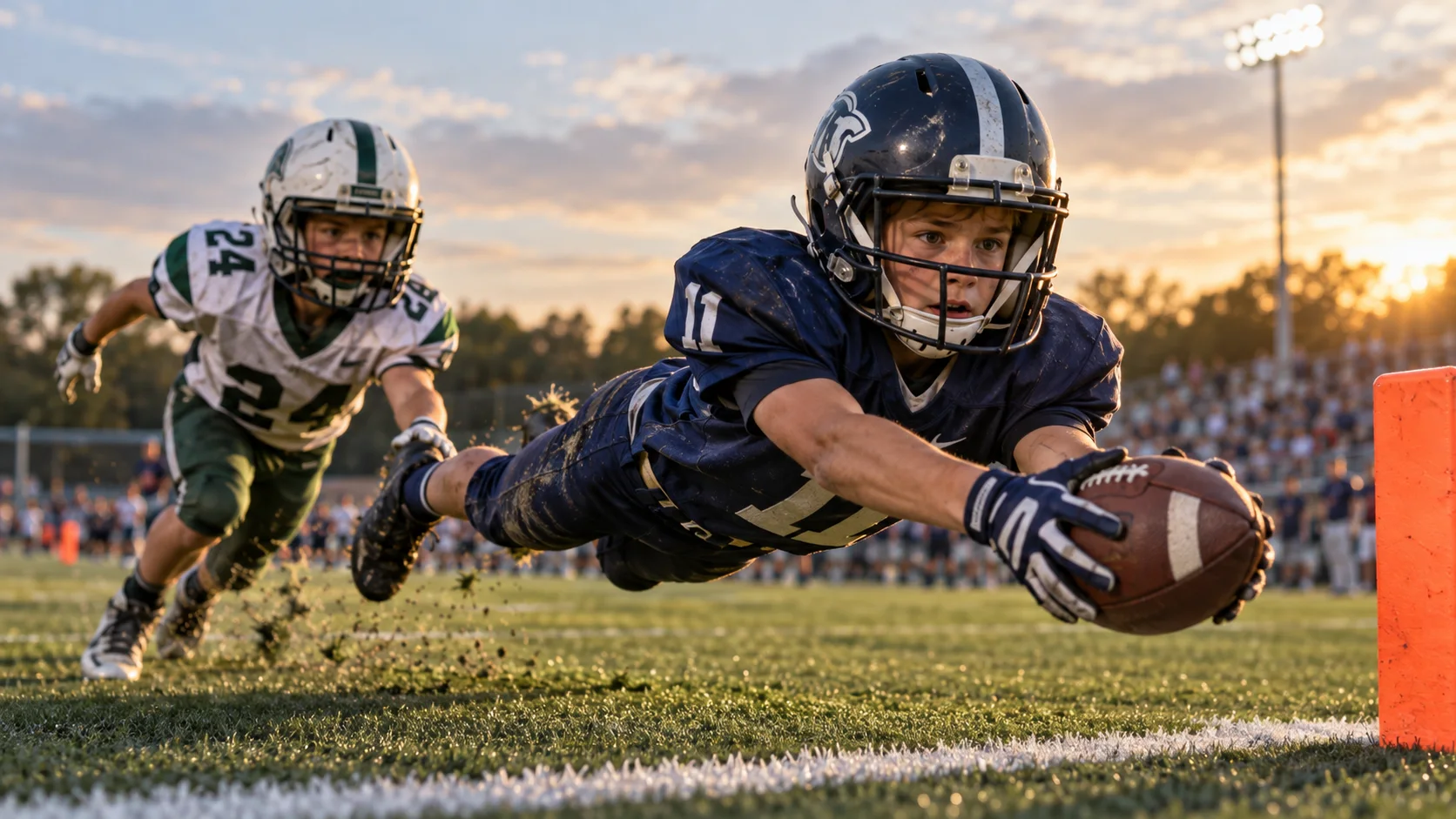
| 2 | Football | No daytime contact lens to shift or dislodge during contact play, and no prescription frames to fit beneath a helmet. | A helmet and faceguard do not remove every eye-injury risk. Use sport-appropriate protection and follow league rules. |
| 3 | Hockey | No daytime lens to lose or adjust during close play, and no prescription frames beneath protective equipment. | Keep required helmet and face protection; discuss additional eye protection with the clinician. |
| 4 | Rugby | No prescription frames or daytime contacts to manage during tackles and close contact. | Ortho-K does not protect against impact. Follow sport-specific protection rules and individual eye-care advice. |
| 5 | Gymnastics and cheer | No prescription frames to slip during tumbling or inversions, and no daytime contact lens to dislodge. | Follow the sport’s equipment and protection requirements. |
| 6 | Soccer | No corrective lenses to adjust during sprints, heading movements or quick changes of direction. | Sports eye protection remains important where impact is possible. |
| 7 | Basketball | No prescription glasses to slip with sweat and no daytime contacts to shift during close play. | Protective sports goggles still address balls, fingers and elbows. |
| 8 | Tennis and racquet sports | Daytime correction without prescription frames during rapid head movements; nonprescription sports eyewear can be chosen for protection. | Use eye protection suited to ball and racquet impacts. |
| 9 | Baseball and softball | Daytime vision without corrective lenses, with nonprescription protective equipment where appropriate. | Keep the sport’s protective eyewear and position-specific face protection. |
| 10 | Cycling | Wear nonprescription cycling eyewear for wind, debris and sun without needing a prescription insert or daytime contacts. | Protective eyewear and a helmet still have their own jobs. |
| 11 | Running and track | No prescription frames slipping with sweat and no daytime contact lens discomfort to manage on a run. | Sun and wind protection may still be useful. The convenience gain depends on the runner’s existing eyewear. |
Lower on this list does not mean less myopia-control benefit. The child’s eye health, changes in vision, lens fit and care routine matter more than their sport. For boxing, full-contact martial arts, wrestling or a child with reduced vision in one eye, ask an eye doctor for individual sports advice rather than applying this list.
Why are football, hockey and rugby near the top?
There is no daytime contact lens to fall out during a game. Your child took the Ortho-K lenses out that morning. With good daytime vision, they can play without contacts or prescription frames under their gear. This can help avoid the need to stop and adjust a lens or glasses. It does not prove that they will play better.
Why is Ortho-K useful for swimming?
The lenses are already out before the day begins. If Ortho-K gives your child clear daytime vision, they can swim without contacts and use ordinary swim goggles.
The CDC advises people to take contacts out before swimming. With overnight Ortho-K, that step happens when your child wakes up. Goggles still help keep pool water out of the eyes. Keep the stored lenses and case away from water, and use only the care products your doctor recommends. CDC: contact lenses and water
Prescription swim goggles are another choice for children who do not use Ortho-K or still need extra vision correction. They are not a routine extra need when Ortho-K provides clear daytime vision.
Does my child still need sports goggles?
Yes, when the sport calls for them. Ortho-K helps with vision. It does not protect the eyes from a ball, stick, finger or elbow. Ordinary glasses and contact lenses do not replace sports eye protection.
AAPOS, a group of children’s eye doctors, advises sports frames with shatter-resistant lenses. Ask your eye doctor which gear fits your child and the sport’s rules. With good daytime vision from Ortho-K, the goggles may not need a prescription. Bring the helmet or goggles to the visit if you are unsure about fit. AAPOS: eye injury and safety
How do we make Ortho-K fit a young athlete’s routine?
The sports benefit needs a steady lens routine and good daytime vision. Plan for trips, early starts and games away from home. Ask the doctor about:
- Eye health and prescription: whether the lenses fit your child’s eyes and vision needs.
- Parent help: who will help put lenses in, take them out and keep them clean.
- A steady routine: whether camps and trips allow time for safe lens wear and care.
- Vision through the day: whether your child sees well at practice, including in the evening.
- Comfort and symptoms: how blur, glare, halos, irritation or dry-eye symptoms will be assessed.
- Other choices: sports glasses, daytime contacts and other ways to slow worsening myopia.
Eye-care guidance calls for a good lens fit, follow-up visits and a clear grasp of the risks. One risk is a serious infection of the front of the eye. No treatment can promise to stop myopia from getting worse. IMI clinical management guidance
Pain, redness, light sensitivity or reduced vision? Stop play and contact the eye-care provider promptly. If the Ortho-K lenses are still in when symptoms begin upon waking, remove them. If they are already out, leave them out and seek advice before the next overnight wear. Contact-lens infections can become serious quickly. FDA: contact lens risks
A practical plan for practice days and away games
| When | Parent and child check |
|---|---|
| Before starting | Tell the doctor the sport, practice times, water exposure, travel schedule and current eyewear problems. Agree on a backup vision plan. |
| Upon waking | Remove the Ortho-K lenses and follow the prescribed cleaning and storage routine. Check comfort and daytime vision. |
| At practice or a game | The Ortho-K lenses remain out. Wear the sport’s protective eyewear and enjoy the activity without daytime corrective lenses. Report unexplained blur or eye pain. |
| On overnight trips | Pack the prescribed care products, clean case, provider contact details and the doctor’s backup correction plan. Do not improvise with water. |
| At follow-up | Review both eye health and worsening myopia, not just whether the scoreboard looks clear. Bring questions about late-day vision or missed wear. |
For step-by-step care, use our Ortho-K lens-care guide. For a direct comparison of correction options, read Ortho-K vs. glasses and contacts for sports. This guide focuses on children’s activities and family routines; that article compares the options themselves.
Questions parents ask
Will Ortho-K improve reaction time or athletic performance?
These sources do not show that it will. The benefit is daytime sight with no lenses on the eyes during play. That does not prove a child will play better.
Is there a best age to start?
The sport does not set the age. An eye doctor checks your child’s eyes, prescription and eye growth. Your child must be ready for lens care with your help.
Can a child skip lenses on tournament nights?
Ask the eye doctor before the trip. The lens effect is temporary and needs prescribed wear. Plan backup glasses or lenses. Do not assume an old pair of glasses will still be right.
Should we switch if sports glasses already work well?
Not always. Describe any problems first. Weigh your child’s eye-care needs, comfort, costs and wishes. A sports ranking alone is not a reason to switch.
What does the evidence actually show?
Ortho-K can correct daytime vision. A separate question is whether it slows the eye growth linked to worsening myopia, or nearsightedness.
In the two-year ROMIO study, 102 children ages 6–10 took part and 78 finished follow-up. The eyes grew an average of 0.36 mm with Ortho-K and 0.63 mm with single-vision glasses. Five children stopped Ortho-K because of health problems during treatment. The chart shows group averages, not a forecast for your child. Cho & Cheung, 2012
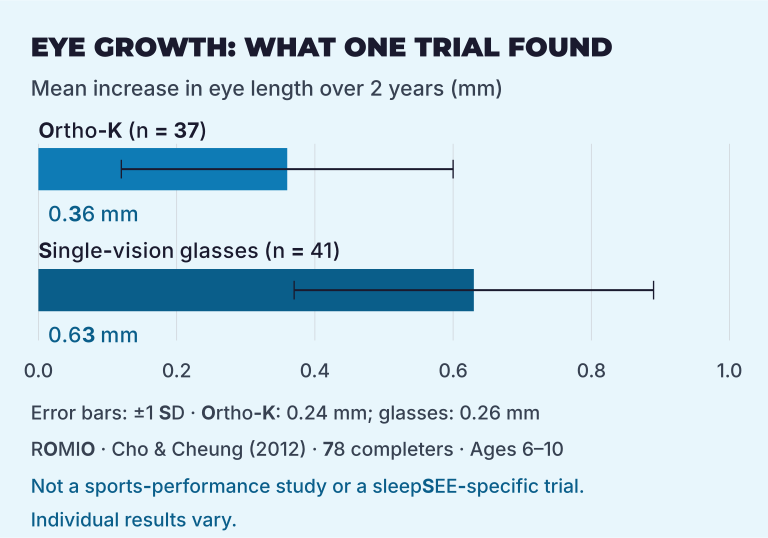
Open the clinical chart at full size. Exact values are also listed below. The error bars show how much eye growth varied within each group; they are not a forecast for one child.
| ROMIO trial group | Children completing follow-up | Mean eye-length increase over 2 years | Standard deviation |
|---|---|---|---|
| Ortho-K | 37 | 0.36 mm | 0.24 mm |
| Single-vision glasses | 41 | 0.63 mm | 0.26 mm |
This is one older study. It does not compare all treatments used today. It did not study sleepSEE specifically, compare sports, or measure sporting success. The International Myopia Institute’s 2025 evidence summary reviews the wider research on myopia control. It cannot tell us whether treatment works better for a swimmer than for a runner.
What should families know about LASIK and contact sports?
For families considering longer-term options, LASIK has a separate contact-sport concern: a blow to the eye can move the thin flap made during LASIK. A published case describes flap dislocation following a football injury more than two years after LASIK. This report shows that it can happen. It does not tell us how often it happens. Football-related LASIK flap injury
The FDA flags boxing, wrestling, martial arts and other activities involving routine blows to the face or eyes as reasons someone may be a poor candidate for vision-correction surgery. It also states that no lasers are approved for LASIK in people under 18. LASIK is therefore not a routine vision-correction alternative for the children discussed here. FDA: When is LASIK not for me?
Ortho-K is nonsurgical and creates no LASIK flap. It still has its own lens-wear and infection risks and does not make the eye resistant to sports injuries. Adults should discuss their sport with an eye surgeon. Not all types of vision-correction surgery create a flap or have the same risks.
Make the appointment about your child’s actual routine
Bring the prescription history, sports schedule and current eyewear. Ask: “Is Ortho-K suitable for my child, what alternatives should we consider, and what protection and backup correction will they still need?” Find a sleepSEE provider to discuss the options.
Sources and editorial method
This guide explains published health research. It also compares how easy equipment is to use for sports. The sports order is the editorial team's view. It is not a tested scale, a safety rank or advice from a professional group. Sources checked September 22, 2026. Medical review by Dr. James Singletary, OD, FIAOMC, recorded September 22, 2026.
-
FDA: Types of contact lenses: Ortho-K mechanism and temporary correction.
-
Cho & Cheung: ROMIO randomized trial, 2012: source of the eye-growth chart.
-
IMI: 2025 interventions summary: broader evidence context.
-
AAPOS: Eye injury and safety: protective eyewear.
-
CDC: Keeping water away from contact lenses: water precautions and prescription goggles.
-
IMI: Clinical management guidelines: suitability, consent and monitoring.
-
FDA: Contact lens risks: warning symptoms and infection risks.
-
FDA: When is LASIK not for me?: contact-sport caution and age restriction.
-
Football-related late LASIK flap dislocation: case report, not an incidence estimate.
sleepSEE Editorial Team
Guides for parents from sleepSEE. Learn about ways to slow myopia. Find questions to ask your child's eye doctor.
Medical Disclaimer
This article helps you learn about eye care. It is not personal medical advice, a diagnosis or a treatment plan. Ask a qualified eye doctor about your eyes and care. Do not use this page in place of that advice.