
Science & Research
Long-Term Ortho-K Outcomes: What the Research Tells Us
Ortho-K care lasts beyond the first week. Families want to know whether it keeps helping, what the doctor checks and what happens when wear stops.
February 21, 20265 min read

What do studies tell us about Ortho-K and myopia? Learn what the findings mean and where more research is needed.
Ortho-K care lasts beyond the first week. Families want to know whether it keeps helping, what the doctor checks and what happens when wear stops.
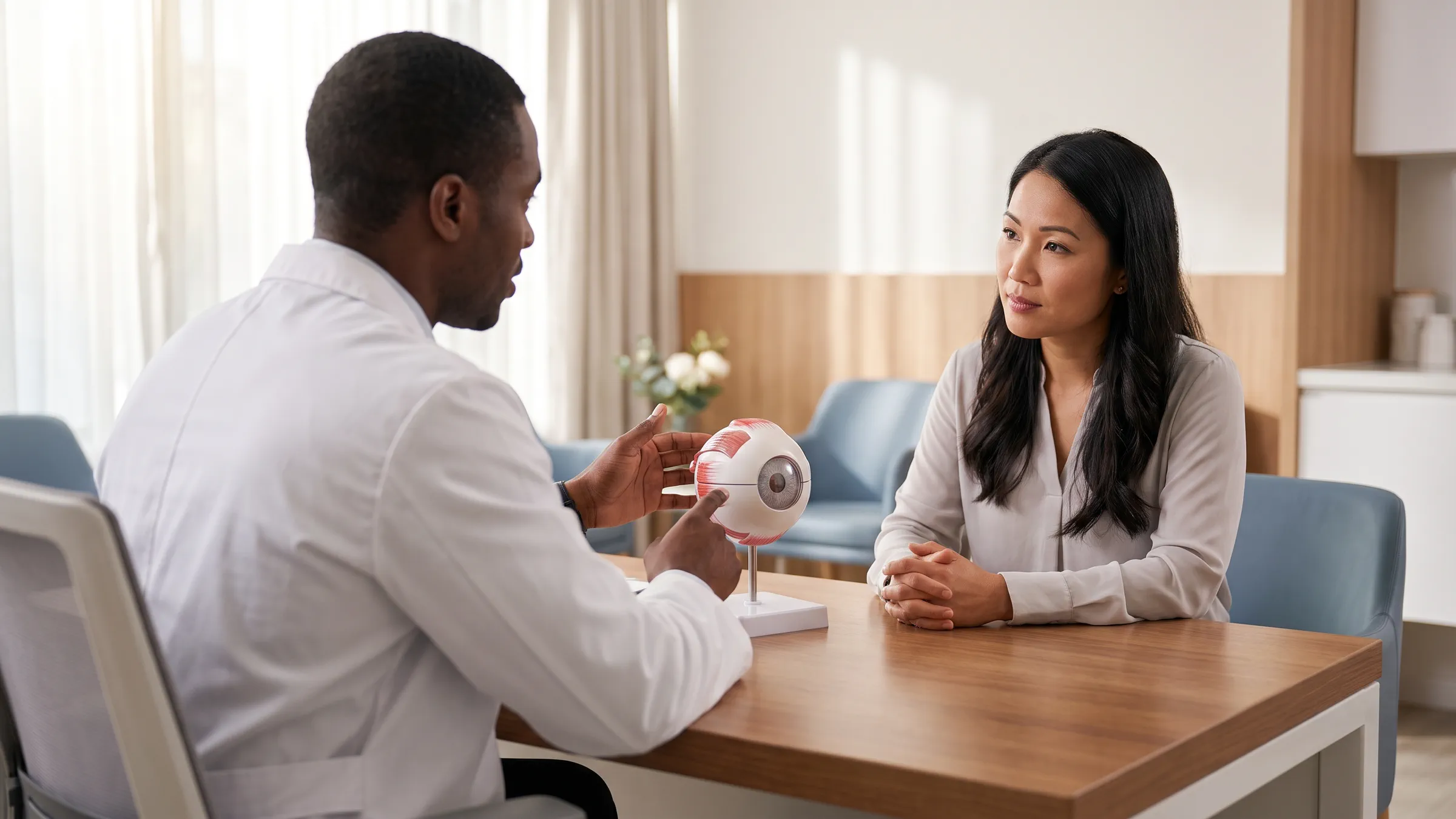
FDA approval is for a certain device and use. It does not cover every Ortho-K lens or every claim about it.

Why can a child's glasses keep getting stronger even when they wear them? Standard glasses clear the blur.

Ortho-K took decades to develop. Better lens materials, new shapes and tools to map the eye all helped change how it is fitted.

Axial length is the distance from the front to the back of the eye. Tracking it helps show how a child's eye is growing.
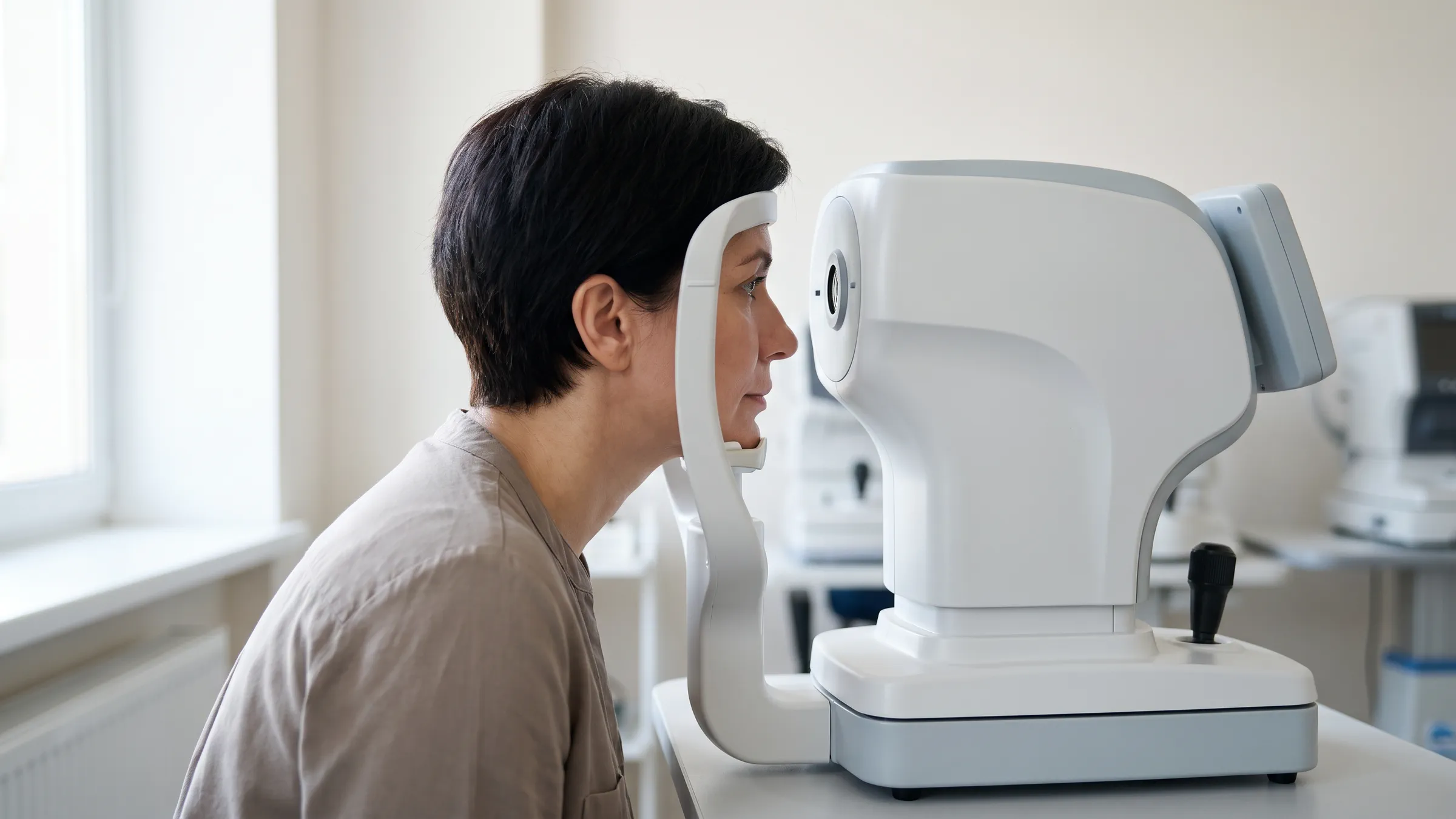
Corneal topography is a map of the front surface of your eye. The cornea is the clear front part of the eye.

More time outdoors can lower the chance that a child develops myopia, or nearsightedness. It is a helpful habit, not a guarantee.
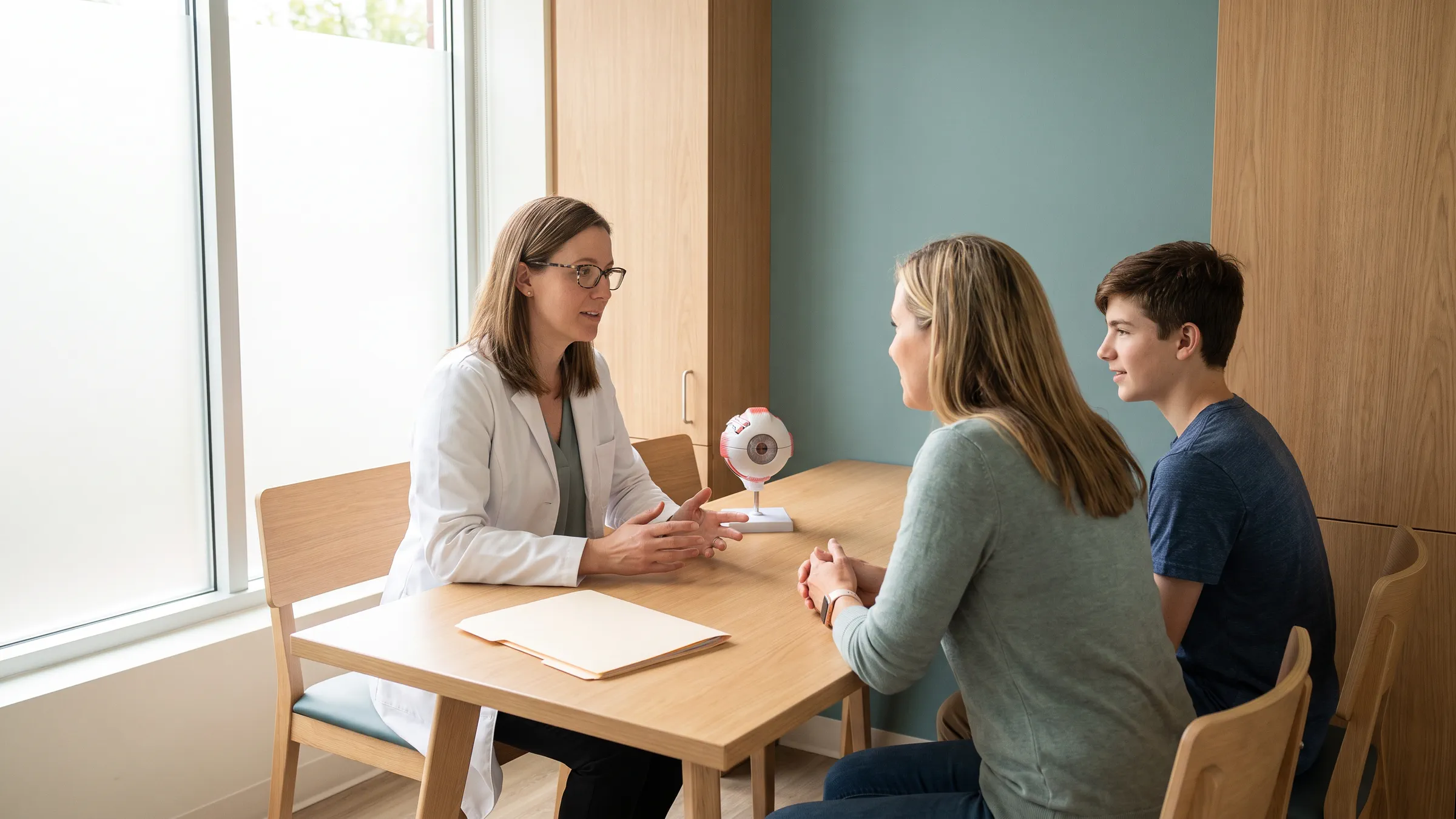
Ortho-K is a prescribed overnight lens treatment. It can help with daytime vision and childhood myopia care, but no contact lens is risk-free.

Research supports Ortho-K as a way to slow myopia in children. But a study percentage is not a promise for one child.
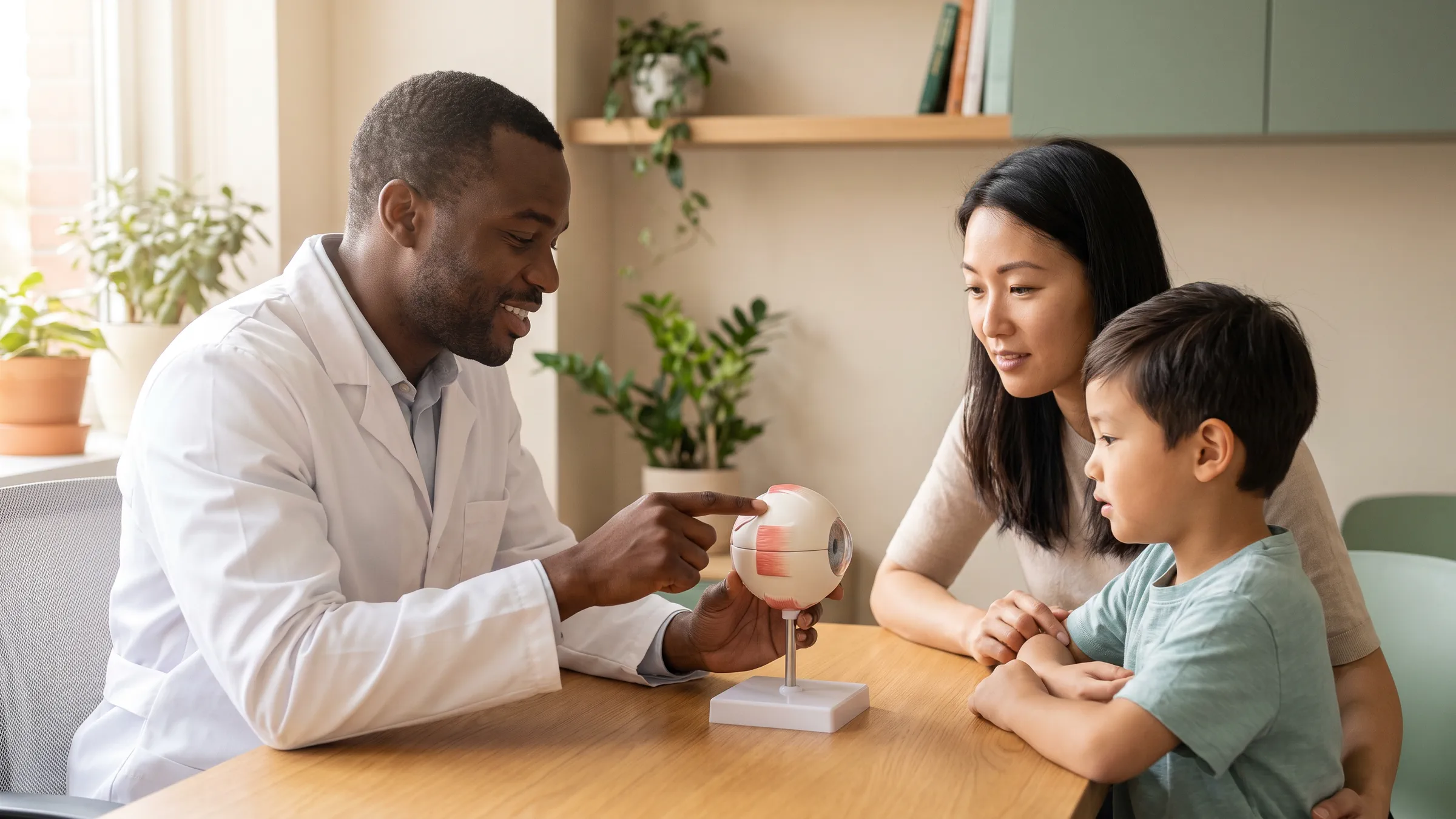
Ortho-K has two goals in childhood care: clear daytime vision and slower myopia progression. Myopia means nearsightedness.