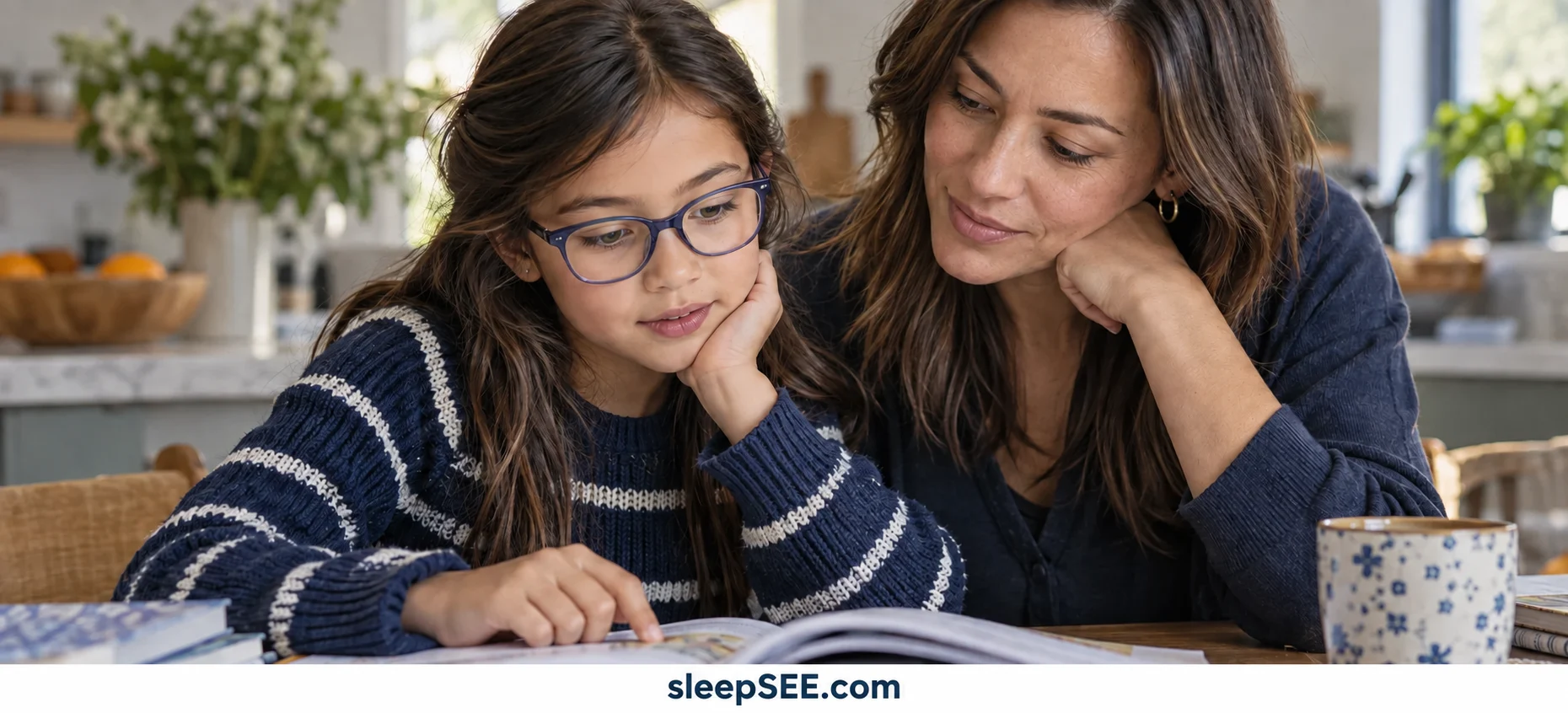
For Parents
Why is my child’s eyesight getting worse?
Worsening eyesight is a reason for an eye exam. Learn why glasses may get stronger, what needs urgent care, and what to ask about myopia control.
September 14, 20268 min read
Learn about myopia, Ortho-K and caring for your child’s eyes.
Worsening eyesight is a reason for an eye exam. Learn why glasses may get stronger, what needs urgent care, and what to ask about myopia control.
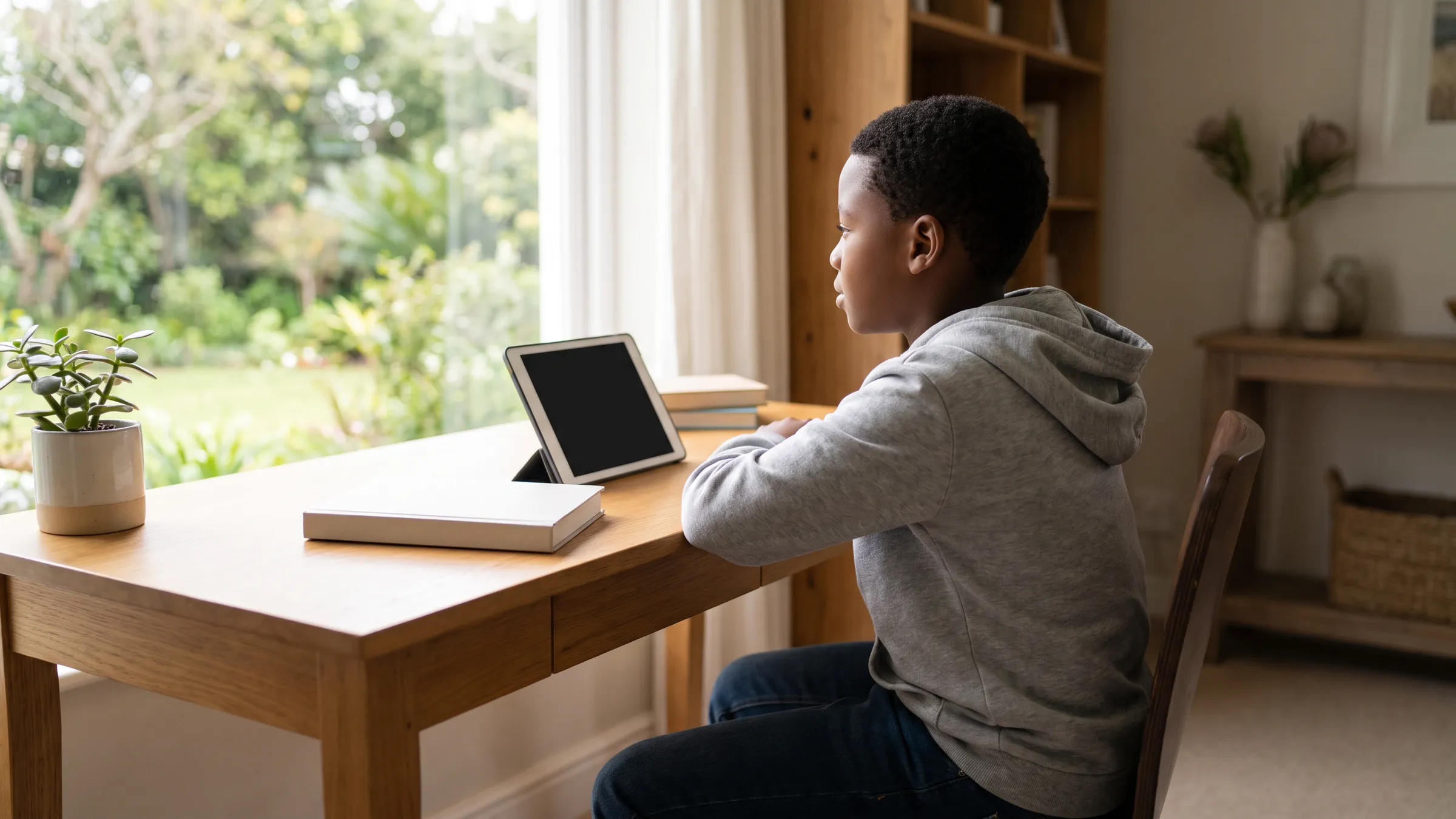
Screen habits, clear vision and eye comfort are linked, but they are not the same thing. A child can see a screen clearly and still have sore eyes.
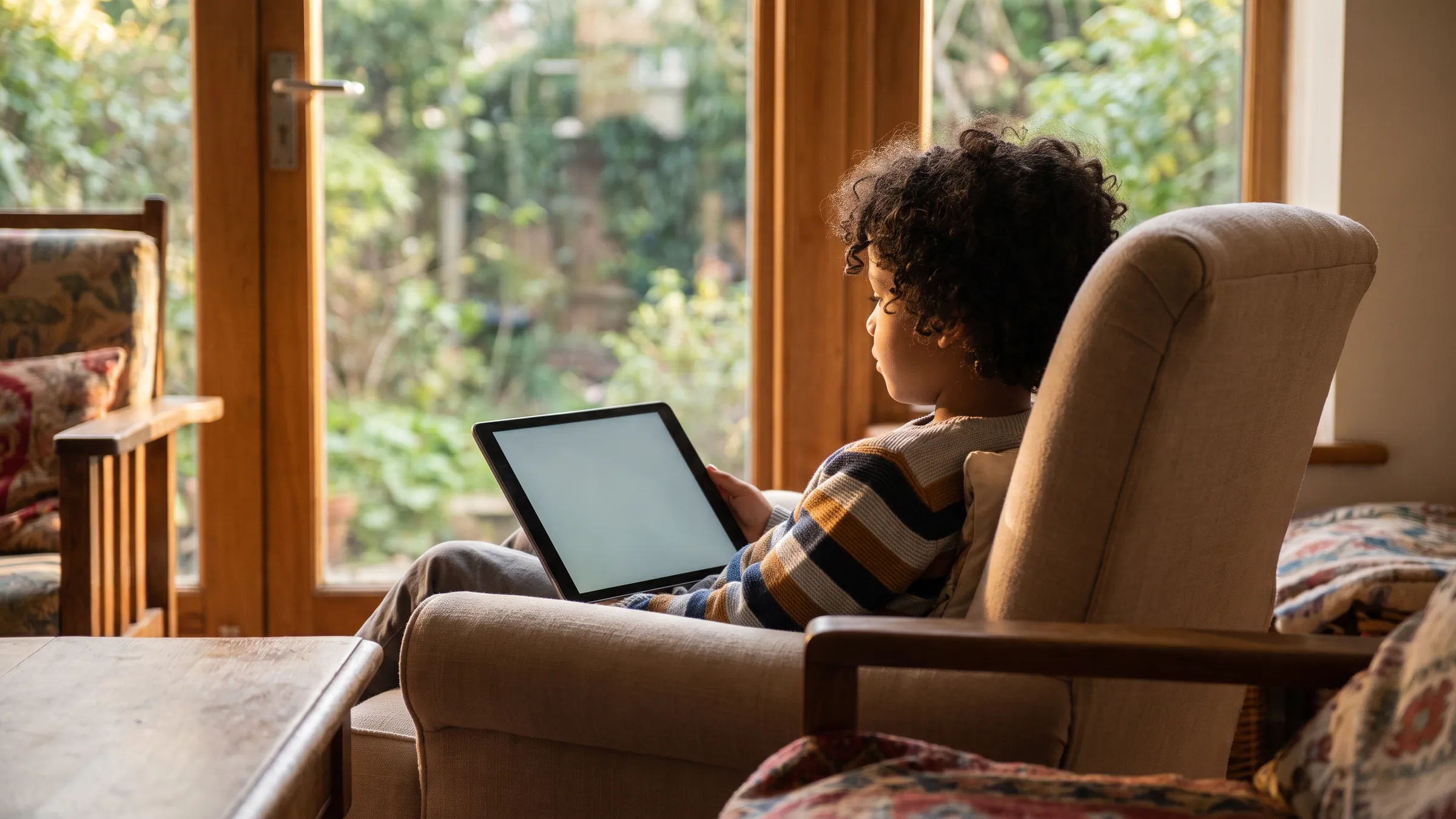
If your child uses a tablet more and then needs stronger glasses, it is natural to wonder about a link. The answer takes more than counting screen hours.

A school vision screening can flag a concern. A passing result is useful too, but it does not check every part of eye health or vision.

Some children like the idea of a day without glasses or contacts. Others like their glasses.
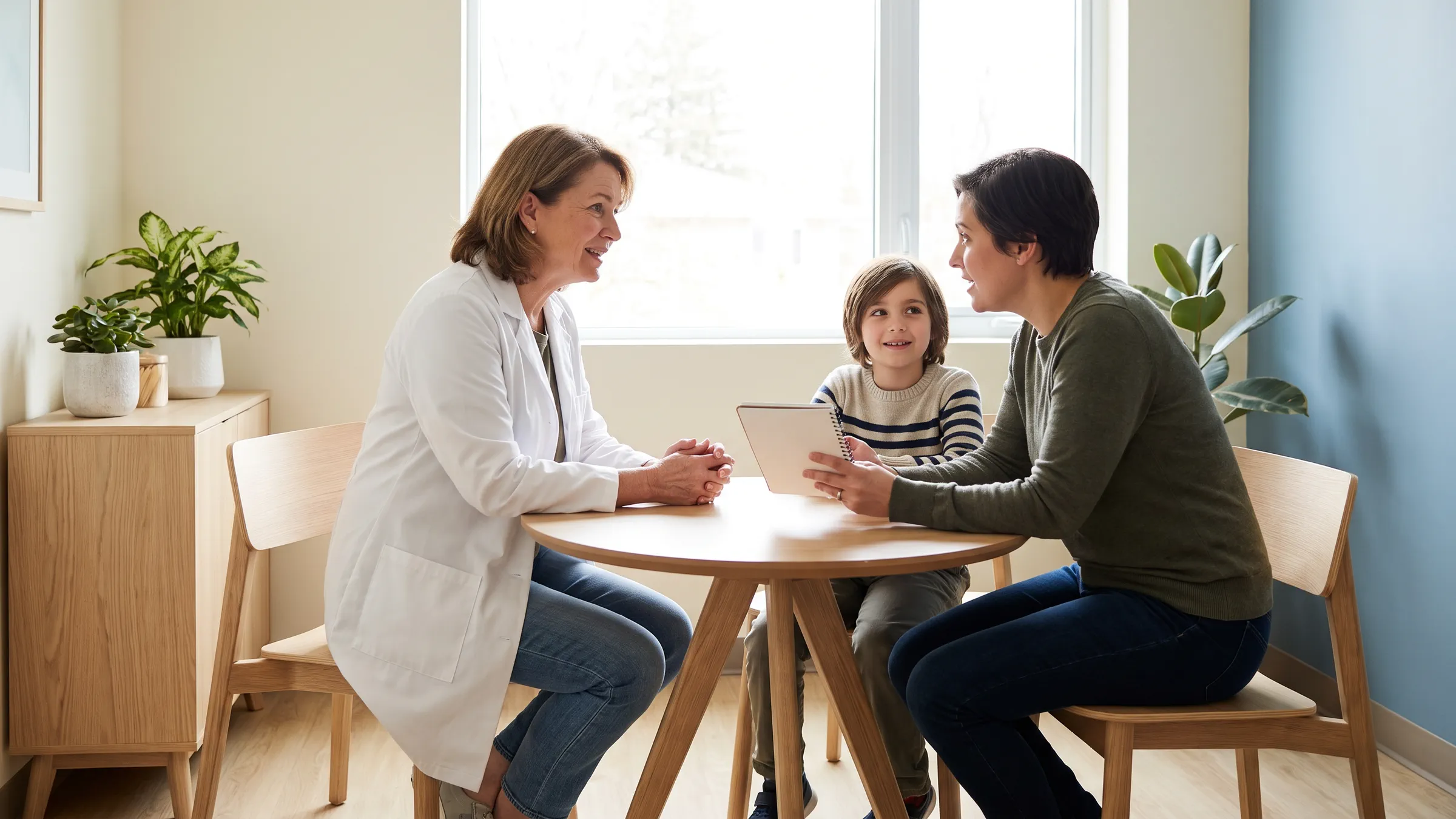
A passing vision screening is useful, but it does not answer every question about your child's eyes. Mention squinting, trouble at school or stronger glasses even after a pass.
Allergies can make a child's eyes itch, water or feel sore. Daytime contacts may be hard to wear when this happens.
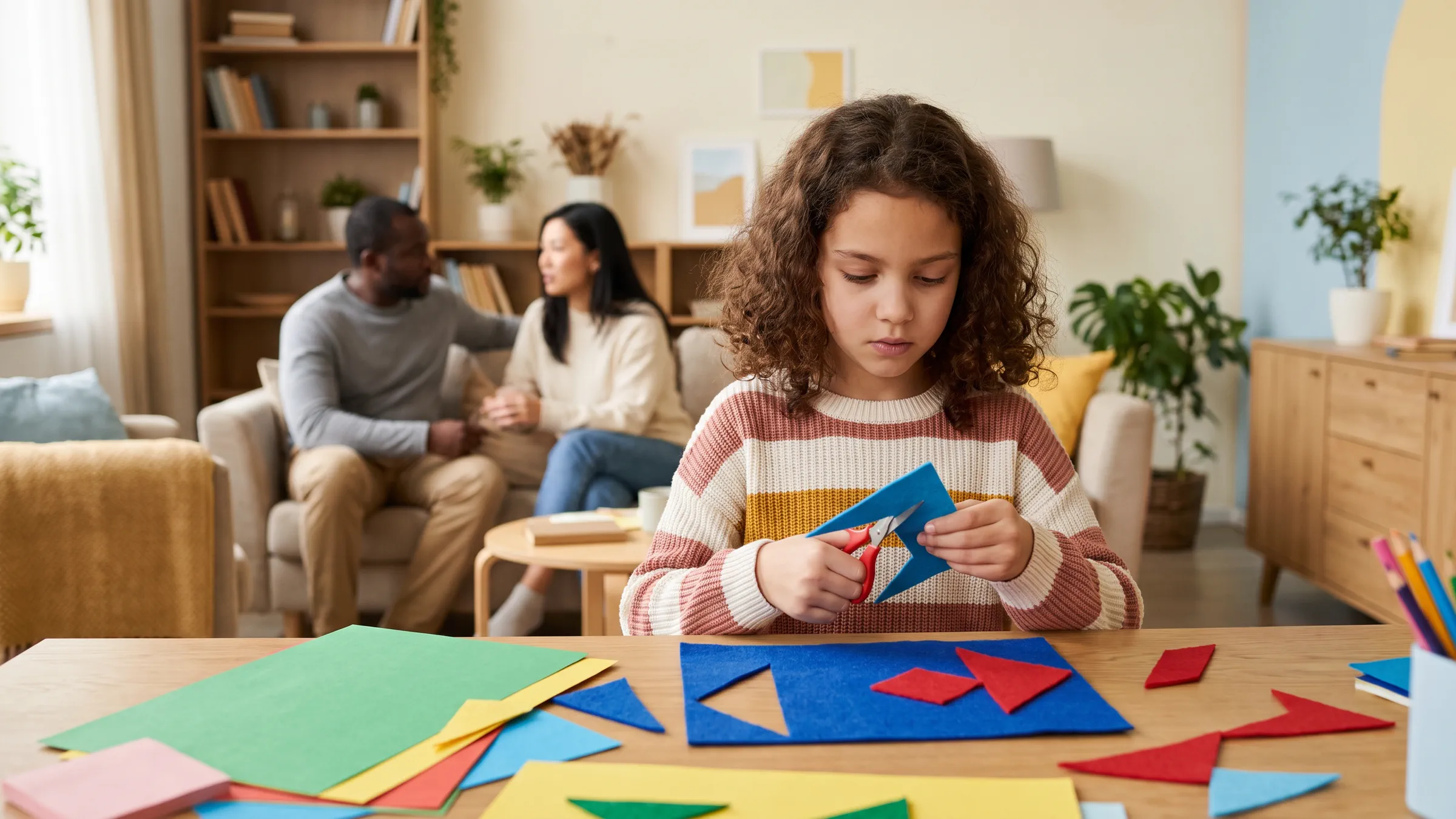
There is no single best age to start Ortho-K. A child's prescription, eye health and ability to follow lens care matter, along with help from a parent.
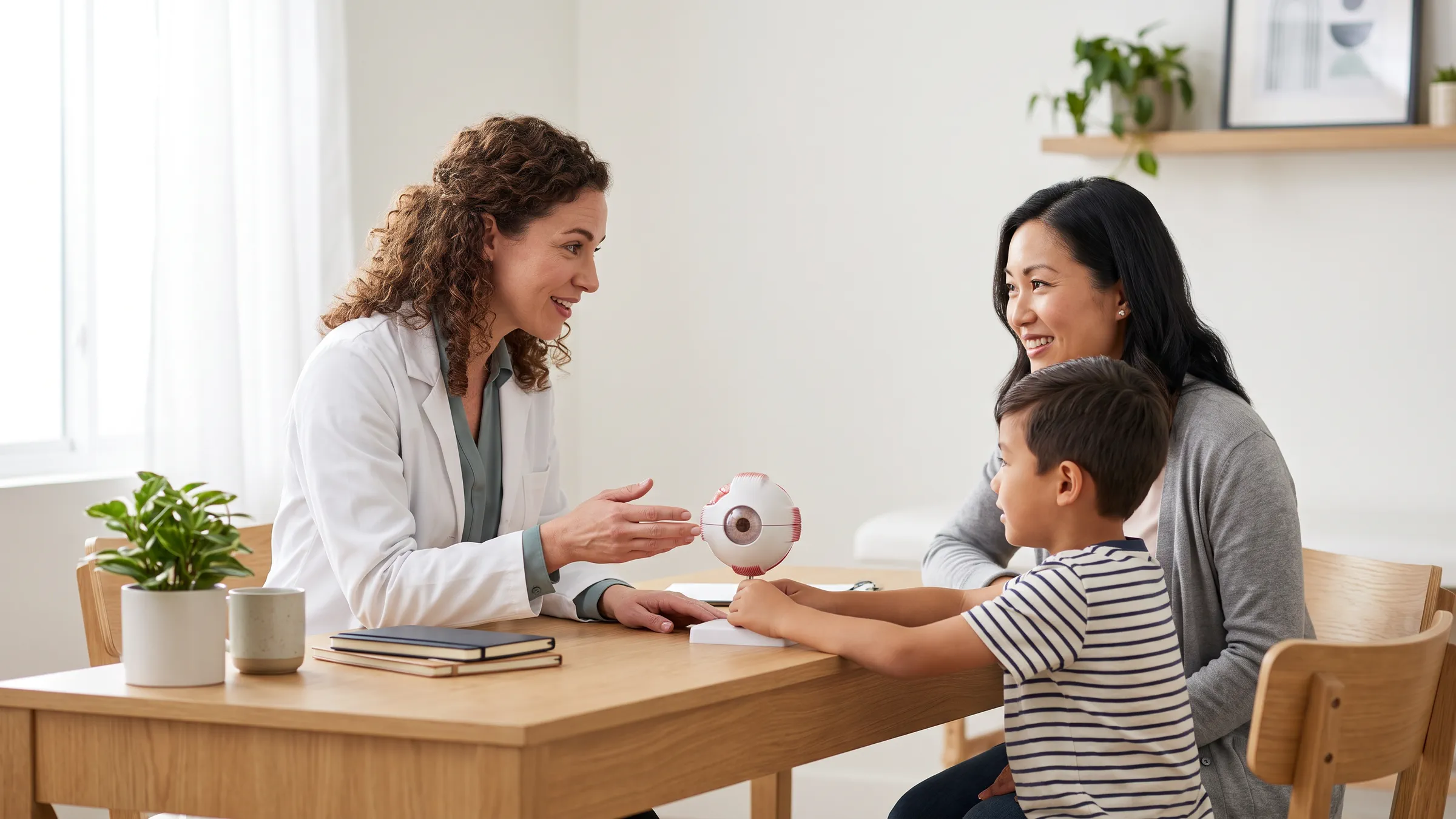
Myopia control aims to slow how fast nearsightedness gets worse. A new prescription clears blur, but that is a different goal.

The first month is a time to learn lens care while your doctor checks the fit and your child's vision. Some steps feel easy at once.
New glasses can clear a child's blur. A plan to slow myopia asks a second question: can we slow the eye changes that keep making the prescription stronger?

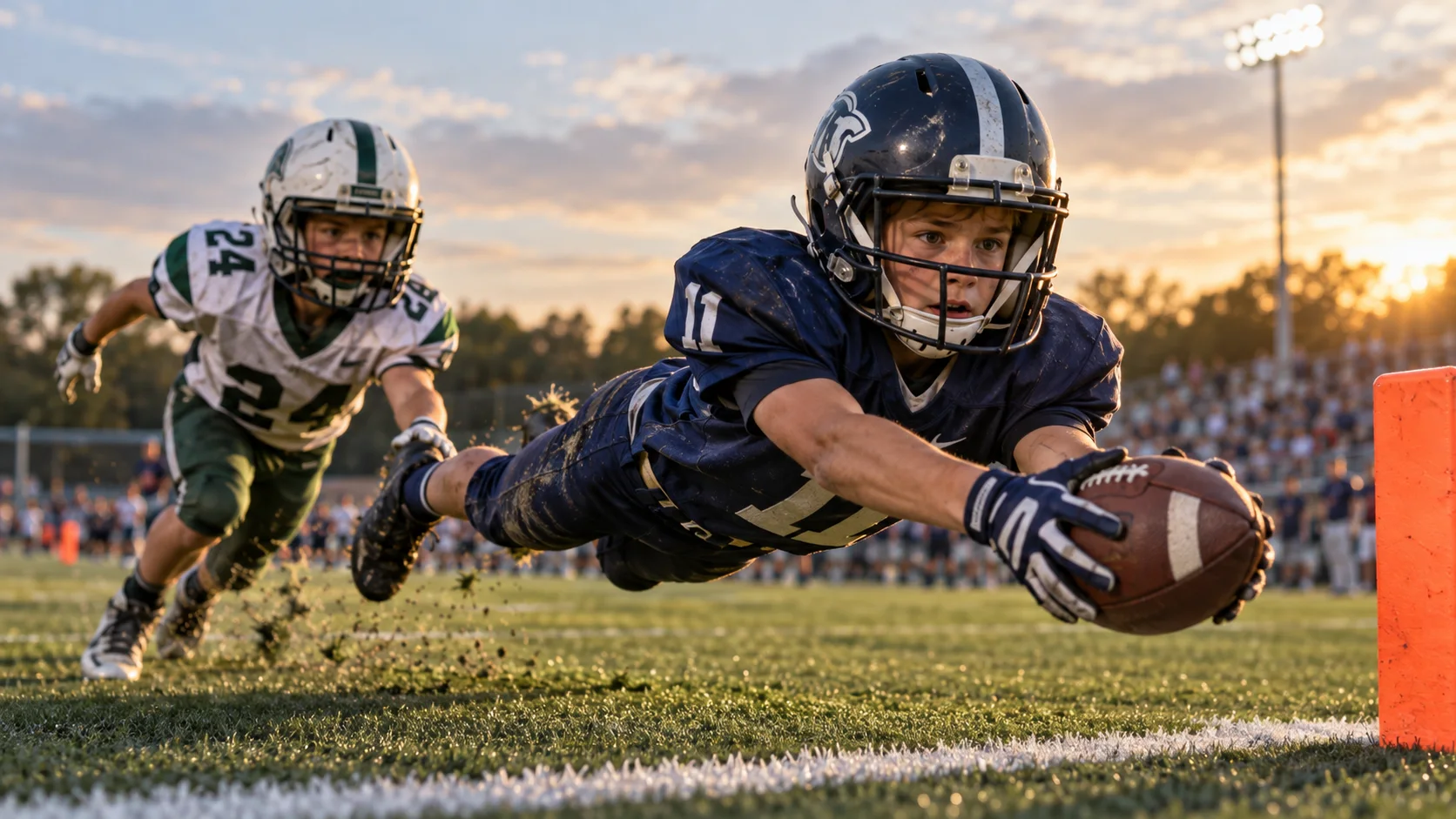
Young athletes need clear vision and eye protection. Those are separate needs.
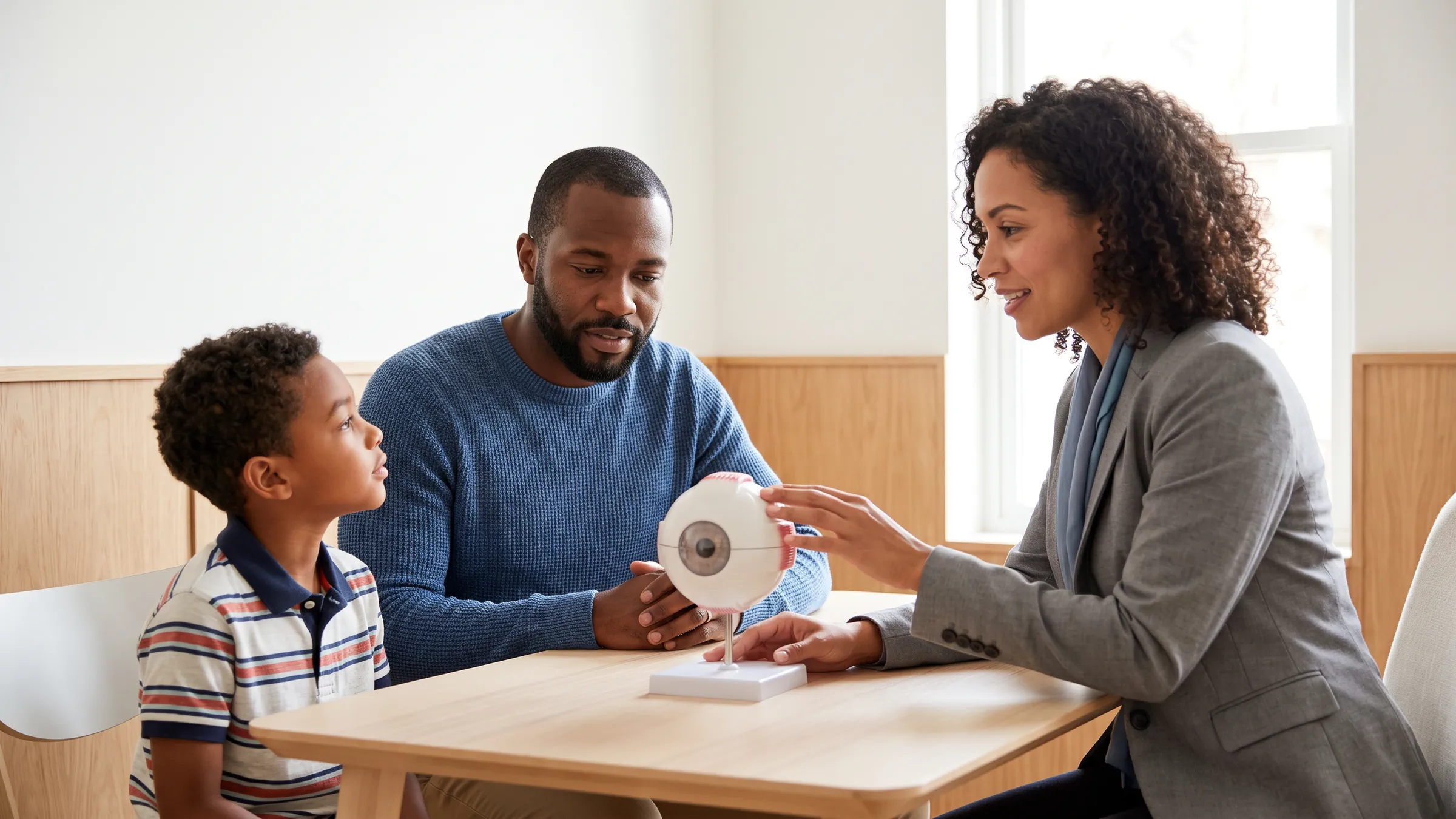
Could Ortho-K work for your child? An eye exam and a talk about daily care are the best way to find out.
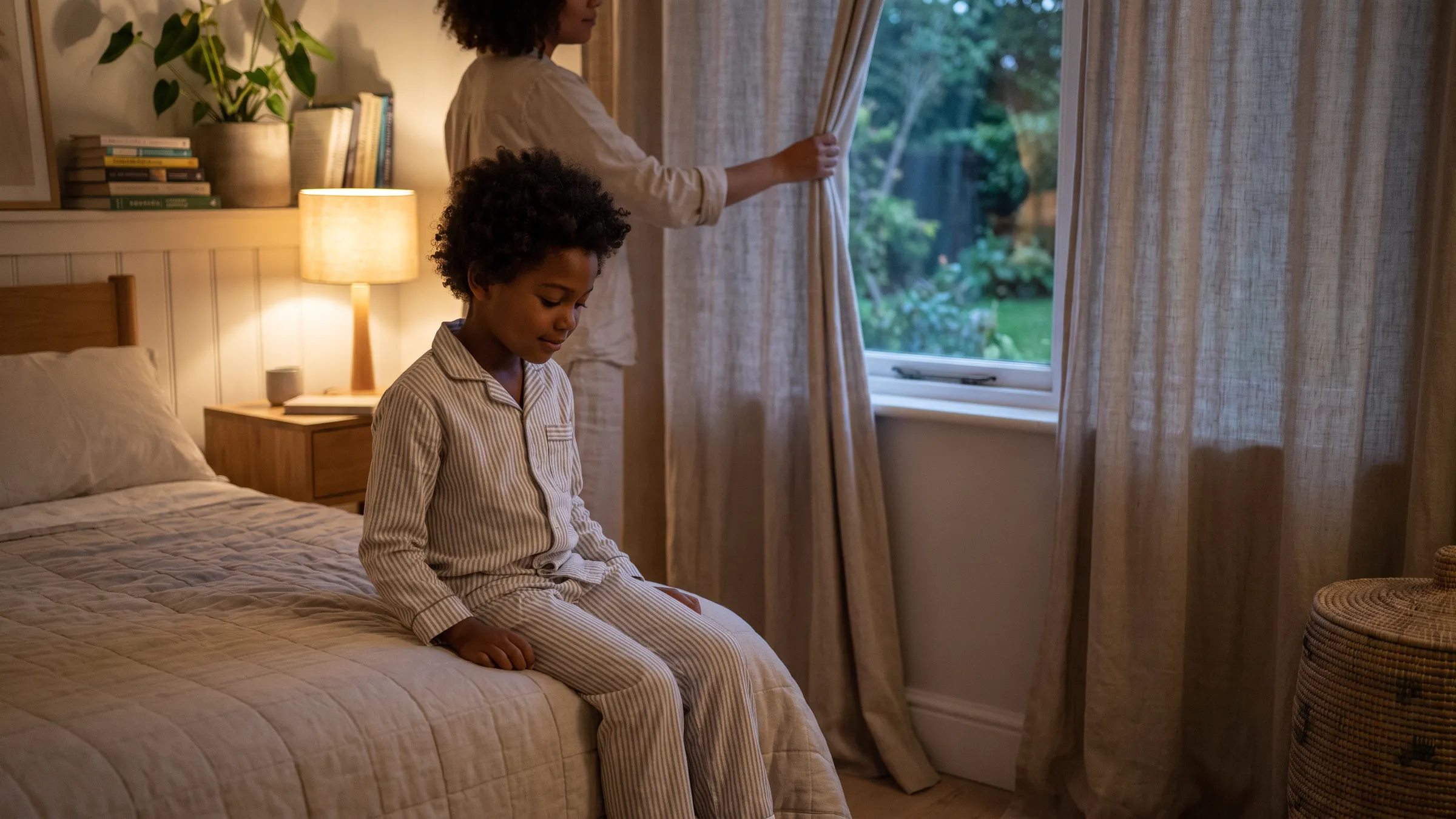
Sleep in the lenses. Take them out when you wake up.
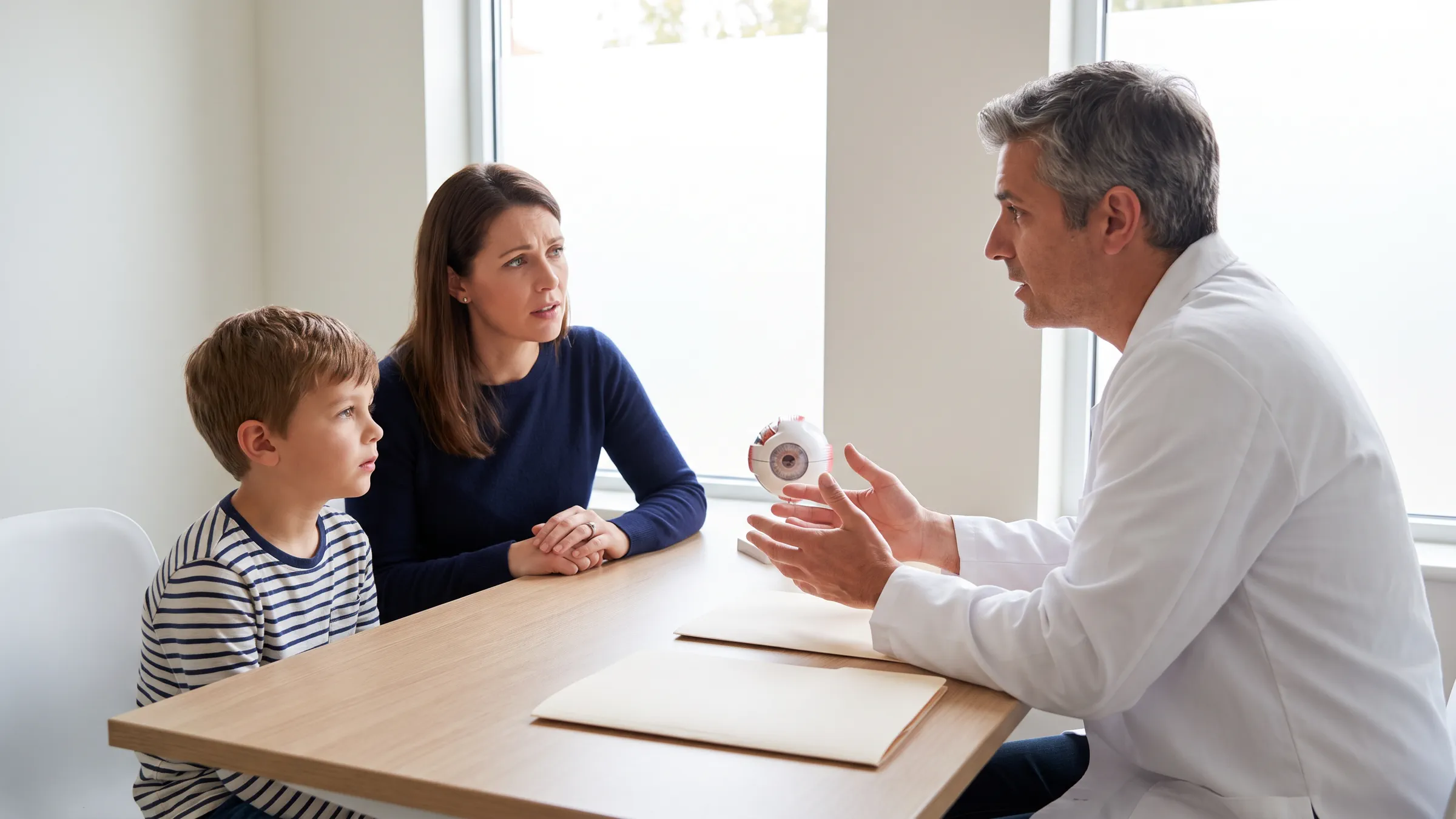
Ortho-K and atropine drops are two options discussed in myopia care. Myopia means nearsightedness.
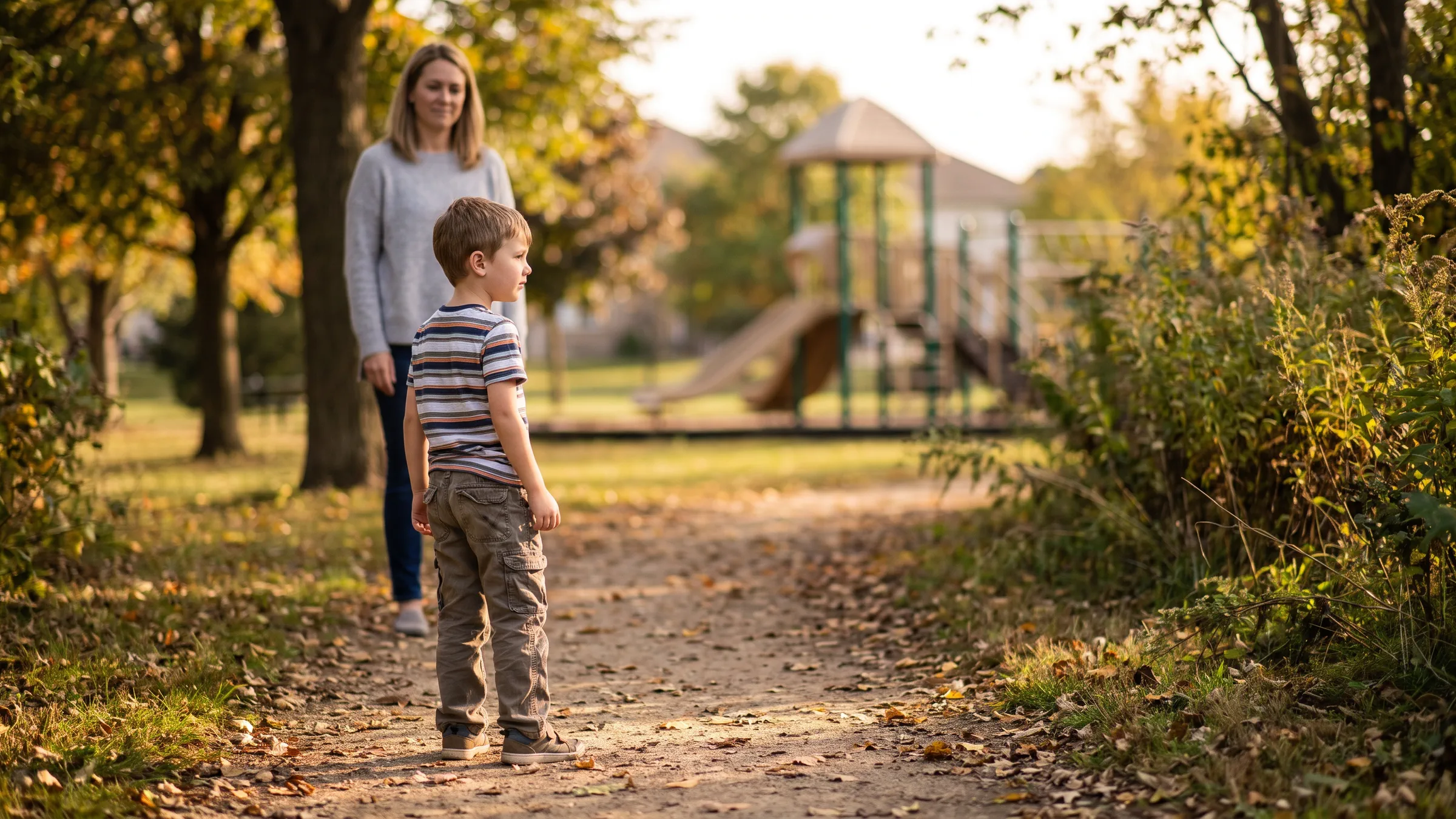
Squinting, moving closer to the TV or needing stronger glasses can be reasons to check a child's vision. These signs do not prove myopia on their own.
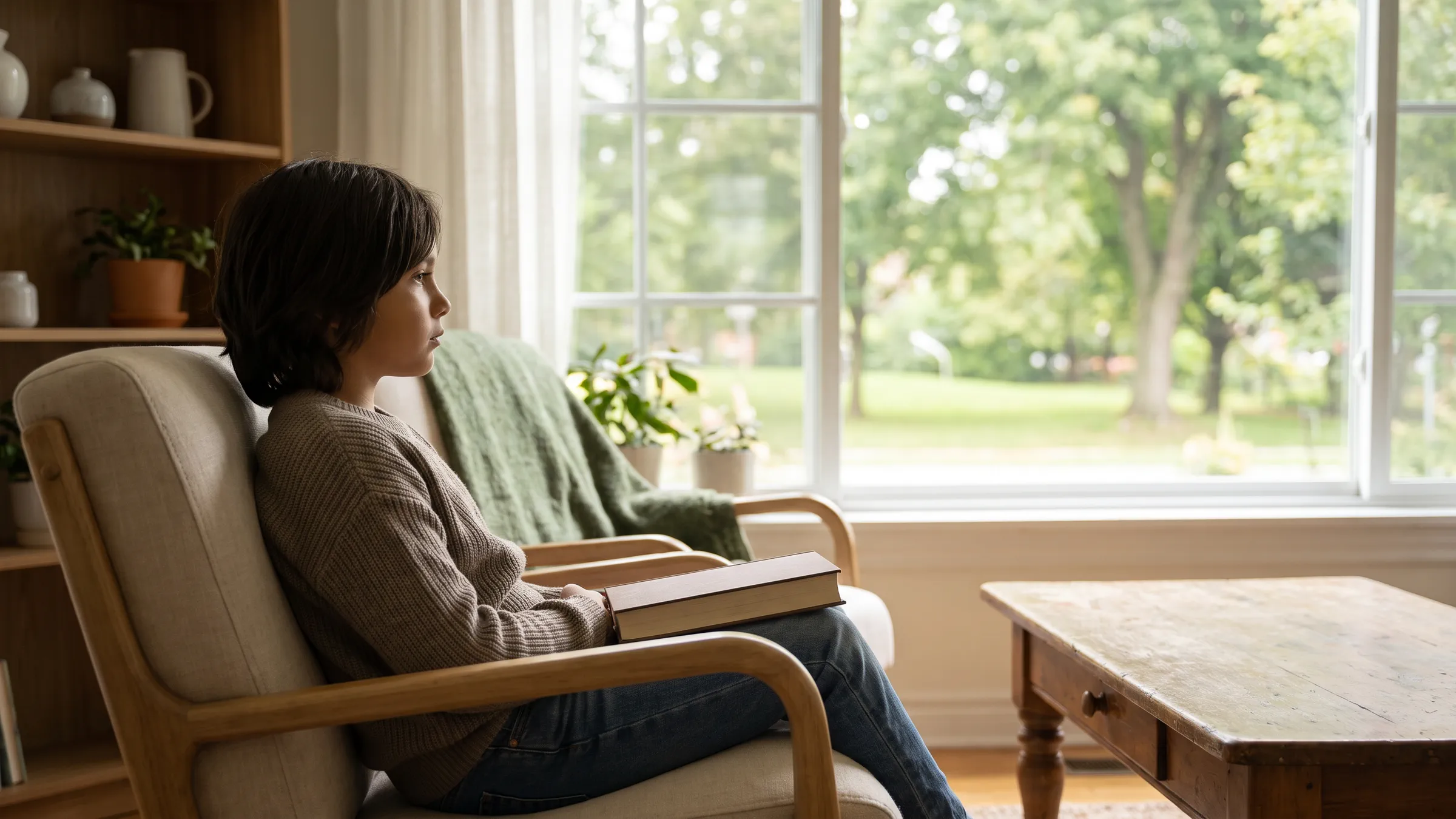
Myopia is more common in many parts of the world. Parents want to know what to do if their child's glasses keep getting stronger.